







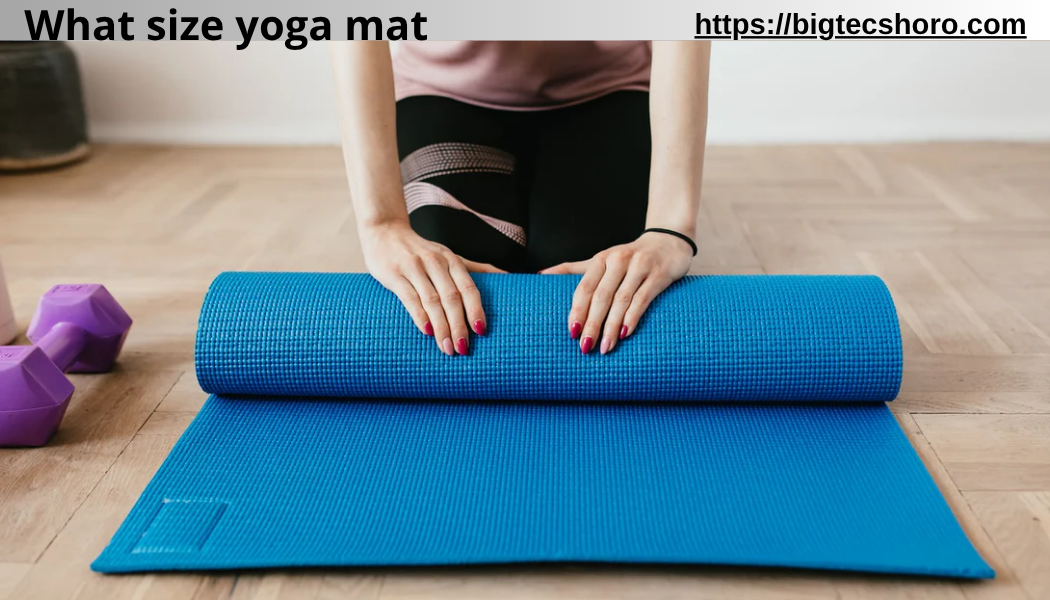

If you are planning to start yoga or replace your current yoga mat, one of the first questions you will probably ask is, “what size yoga mat do I need?” Although this question sounds simple, choosing the right yoga mat size can have a significant impact on your comfort, balance, posture, and overall yoga experience.
- What Size Yoga Mat Do You Need?
- Why Choosing the Right Yoga Mat Size Matters
- Understanding Standard Yoga Mat Dimensions
- Complete Yoga Mat Size Chart
- How to Choose the Right Yoga Mat Based on Your Height
- For People Under 5 Feet 6 Inches
- For People Between 5 Feet 6 Inches and 5 Feet 11 Inches
- For People Over 6 Feet Tall
- Does Yoga Mat Width Matter?
- Choosing the Right Yoga Mat Thickness
- Factors Besides Height That Affect Yoga Mat Size
- Choosing a Yoga Mat Based on Your Yoga Style
- Choosing a Yoga Mat Based on Body Type
- What Size Yoga Mat Is Best for Home Practice?
- What Size Yoga Mat Is Best for Travel?
- Yoga Mat Size for Beginners
- Yoga Mat Size for Seniors
- Yoga Mat Size for Kids
- Common Mistakes to Avoid When Choosing a Yoga Mat
- How to Measure Yourself Before Buying a Yoga Mat
- Other Features to Consider Besides Size
- How to Care for Your Yoga Mat
- Expert Tips for Choosing the Perfect Yoga Mat
- Conclusion
- Frequently Asked Questions
Many people spend time comparing yoga mat colors, brands, prices, or materials, but they often overlook one of the most important features—the size. A yoga mat that is too short may leave your hands or feet hanging off the ends during stretches. A mat that is too narrow can make certain poses feel uncomfortable, especially if you practice styles that involve wide movements. On the other hand, a yoga mat that fits your height and body properly gives you enough room to move naturally and helps you stay focused throughout your practice.
Today, yoga mats are available in many different lengths, widths, and thicknesses. Some are designed for beginners, while others are made for tall users, travelers, athletes, or people with joint pain. Choosing the correct size depends on several factors, including your height, body type, yoga style, and where you plan to practice.
In this complete guide, you will learn everything you need to know about what size yoga mat is right for you. Instead of simply listing measurements, this article explains how yoga mat size affects your performance, how to compare different options, and what experts recommend for different situations. Whether you practice at home, attend yoga classes, or travel frequently, this guide will help you choose a yoga mat that supports your practice for years to come.
What Size Yoga Mat Do You Need?
The best yoga mat size depends mainly on your height, but your yoga style and personal preferences also play an important role.
As a general rule, your yoga mat should be at least 6 to 10 inches longer than your height. This extra space allows you to perform standing, sitting, and lying poses without your body extending beyond the edges of the mat.
For most adults in the United States, these recommendations work well:
- Under 5 feet 6 inches: 68–72-inch yoga mat
- 5 feet 6 inches to 5 feet 11 inches: 72–74-inch yoga mat
- 6 feet and taller: 80–84-inch yoga mat
Most people also find that a width of 24 inches is sufficient, although wider mats are available for those who want additional space during practice.



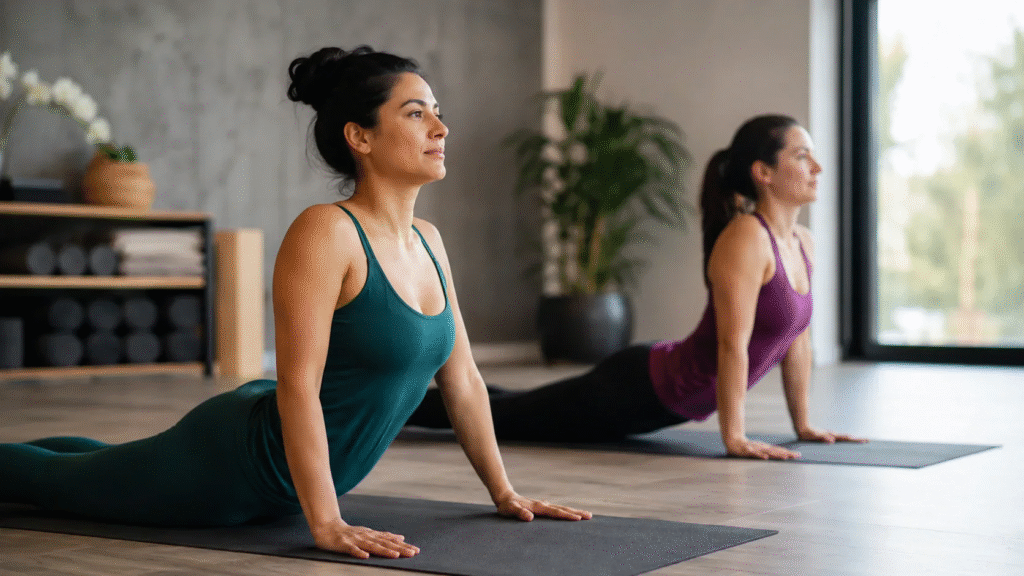
If you are buying your first yoga mat, choosing one that is slightly larger than you think you need is usually a better decision than buying one that feels too small.
Also read:Insetprag: The Complete Guide to Purpose-Driven Integrated Design, Innovation, and Practical Systems
Why Choosing the Right Yoga Mat Size Matters
Many beginners assume that every yoga mat is made in one standard size. While standard dimensions are common, they are not suitable for everyone. Choosing the correct yoga mat size can make a noticeable difference in your comfort, movement, and confidence during every session.
Your yoga mat serves as your personal practice space. Every pose begins and ends on this surface, so having enough room to move freely is essential. When your mat fits your body correctly, you can focus on breathing, balance, and proper posture instead of constantly adjusting your position.
A yoga mat that is too short often causes your hands, feet, or head to extend beyond the edges during poses such as Downward Dog, Plank, or Corpse Pose. This may not seem like a major problem at first, but over time it can become distracting and reduce the quality of your practice.
Similarly, a mat that is too narrow may make dynamic movements feel restricted. If you enjoy Vinyasa Yoga, Power Yoga, or stretching exercises, having extra room allows smoother transitions between poses.
Choosing the right yoga mat size offers several important benefits.
- Keeps your entire body supported during every pose.
- Improves balance by giving your hands and feet more space.
- Helps maintain proper body alignment.
- Reduces distractions caused by repositioning yourself.
- Makes long yoga sessions more comfortable.
- Increases confidence for beginners who are still learning.
- Provides a better overall yoga experience.
Think of your yoga mat as the foundation of your practice. Just as a strong foundation supports a building, the correct mat size supports every movement you make.
Understanding Standard Yoga Mat Dimensions
When shopping for a yoga mat, you will notice that many products advertise themselves as “standard size.” While this size works well for many people, it is important to understand what those dimensions actually mean and whether they are suitable for your body.
A standard yoga mat is designed to accommodate the average adult while remaining lightweight, portable, and affordable. It is commonly used in yoga studios, fitness centers, and home workouts because it provides enough space for most basic yoga poses.
The most common standard yoga mat dimensions are:
- Length: 68 inches (173 cm)
- Width: 24 inches (61 cm)
- Thickness: 3 mm to 5 mm
For people of average height, these dimensions provide a comfortable balance between space and portability. The mat is easy to roll, simple to carry, and fits well in most studio settings.
However, taller individuals often discover that a standard mat does not provide enough length during full-body stretches or relaxation poses. Likewise, people with broader shoulders or those practicing dynamic yoga styles may benefit from a wider mat.
Today, yoga mat manufacturers offer a variety of lengths and widths to suit different body types and practice styles, making it easier than ever to find the perfect fit.
Complete Yoga Mat Size Chart
Choosing the right yoga mat becomes much easier when you compare your height with recommended mat lengths.
The table below provides a simple guide for selecting the best yoga mat size.
| Your Height | Recommended Yoga Mat Length |
| Under 5 feet 6 inches | 68–72 inches |
| 5 feet 6 inches to 5 feet 11 inches | 72–74 inches |
| 6 feet to 6 feet 4 inches | 80 inches |
| Over 6 feet 4 inches | 84 inches |
These recommendations are suitable for most adults.
If you enjoy stretching, Pilates, mobility exercises, or dynamic yoga styles, choosing a mat slightly longer than the chart suggests can provide additional comfort.
Remember, having a little extra space is usually better than feeling restricted during your practice.
How to Choose the Right Yoga Mat Based on Your Height
Your height is the first thing you should consider when deciding what size yoga mat to buy. A mat that matches your height allows your body to remain fully supported throughout every pose, making your practice safer and more comfortable.
Below are general recommendations for different height ranges.
For People Under 5 Feet 6 Inches
If you are shorter than 5 feet 6 inches, a standard 68-inch yoga mat will usually provide enough space for your practice.
This size offers several advantages:
- Easy to carry
- Lightweight
- Affordable
- Fits most yoga studios
- Ideal for beginners
Unless you have unusually long arms or simply prefer more room, there is usually no need to purchase an extra-long yoga mat.
For People Between 5 Feet 6 Inches and 5 Feet 11 Inches
People within this height range often find that a yoga mat measuring between 72 and 74 inches provides greater comfort than a standard mat.
The additional length allows more freedom during poses such as:
- Downward Dog
- Cobra Pose
- Child’s Pose
- Warrior Series
- Corpse Pose (Savasana)
A slightly longer mat is also helpful if you combine yoga with stretching or bodyweight exercises.
For People Over 6 Feet Tall
If you are taller than 6 feet, choosing an extra-long yoga mat is highly recommended.
Standard mats often leave your feet or head extending beyond the edges, especially during relaxation poses.
Instead, consider mats measuring:
- 80 inches
- 82 inches
- 84 inches
These sizes provide enough room for your full body while allowing comfortable movement during every yoga session.
Although extra-long mats are slightly heavier, the additional comfort is well worth it for taller practitioners.
Does Yoga Mat Width Matter?
While length receives most of the attention, width is another important factor when deciding what size yoga mat is best for you.
Most standard yoga mats are 24 inches wide, which works well for the average person. However, yoga mats are also available in wider sizes, including 26, 28, and even 30 inches.
A wider yoga mat provides several advantages:
- More room for side stretches
- Better stability during balance poses
- Greater comfort for larger body types
- Extra space for Pilates and stretching
- Improved confidence during movement
If you primarily practice yoga at home and have enough floor space, upgrading to a wider mat can make your sessions feel much more comfortable.
Choosing the Right Yoga Mat Thickness
When people search for what size yoga mat they need, they often focus only on length and width. However, thickness is just as important because it directly affects comfort and joint support.
A thin yoga mat offers greater stability, making it easier to balance during standing poses. On the other hand, a thicker mat provides additional cushioning for your knees, wrists, hips, and elbows.
General thickness recommendations include:
- 1–2 mm: Best for travel and experienced yogis who want maximum portability.
- 3 mm: A balanced option for studio classes and regular practice.
- 5 mm: Ideal for beginners because it provides excellent comfort and support.
- 6–8 mm: Best for restorative yoga, meditation, and people with joint sensitivity.
If you are new to yoga, a 5 mm mat is often the safest and most comfortable choice because it balances stability with cushioning.
Factors Besides Height That Affect Yoga Mat Size
Although height is the most important consideration, it is not the only one. Several other factors can influence which yoga mat size feels best for you.
Your body type matters because people with broad shoulders or a larger frame often appreciate a wider mat.
Your yoga style also plays a role. Dynamic styles such as Vinyasa and Power Yoga usually benefit from extra space, while slower styles like Hatha Yoga often work well with standard dimensions.
Finally, think about where you practice. If you attend yoga classes several times a week, a lightweight standard mat may be easier to carry. If you mostly practice at home, choosing a larger mat can provide extra comfort without worrying about portability.
Selecting a yoga mat that matches both your body and your lifestyle will help you enjoy every practice while reducing distractions and improving your overall performance.
Choosing a Yoga Mat Based on Your Yoga Style
When deciding what size yoga mat to buy, your preferred yoga style is just as important as your height. Different types of yoga involve different movements, levels of intensity, and amounts of floor contact. Choosing a mat that matches your practice style can improve both comfort and performance.
While a standard yoga mat works well for many people, certain styles benefit from additional length, width, or thickness. Understanding these differences will help you make a smarter purchase.
Hatha Yoga
Hatha Yoga is one of the most beginner-friendly styles. It focuses on slower movements, controlled breathing, and holding poses for longer periods.
Since movements are generally gentle, a standard yoga mat is usually enough.
Recommended size:
- Length: 68–72 inches
- Width: 24 inches
- Thickness: 4–5 mm
Vinyasa Yoga
Vinyasa Yoga involves continuous movement as you flow from one pose to another. Because this style requires frequent transitions, having a little extra space can make your practice more comfortable.
Recommended size:
- Length: 72–74 inches
- Width: 24–26 inches
- Thickness: 4–5 mm
Power Yoga
Power Yoga combines yoga with strength and athletic movements. Since you’ll be moving quickly and using your entire body, a larger mat helps you stay within your practice area.
Recommended size:
- Length: 74–80 inches
- Width: 26–30 inches
- Thickness: 5 mm
Hot Yoga
Hot Yoga is practiced in heated rooms where sweating is common. While size remains important, grip becomes an even bigger priority.
Recommended size:
- Length: 72 inches or longer
- Width: 24–26 inches
- Thickness: 4–5 mm
Many people also use a yoga towel over the mat to absorb moisture and improve traction.
Yin and Restorative Yoga
These slower styles involve holding poses for several minutes. Since you spend more time sitting or lying down, extra cushioning is essential.
Recommended size:
- Length: 72–80 inches
- Width: 24–26 inches
- Thickness: 6–8 mm
The additional padding helps reduce pressure on the knees, hips, and elbows, making longer sessions much more comfortable.
Choosing a Yoga Mat Based on Body Type
While height is the primary factor, your body type should also influence your decision.
People with broad shoulders, longer arms, or a larger frame often feel more comfortable on wider yoga mats. Extra width provides additional room during stretches and side movements without making you feel restricted.
If you regularly perform dynamic exercises or combine yoga with strength training, a wider mat also gives you more freedom to move safely.
In general:
- Smaller body frames usually do well with a standard 24-inch-wide mat.
- Average body types can choose either 24-inch or 26-inch widths.
- Larger body types often prefer 26- to 30-inch-wide mats.
The goal is to choose a mat that allows you to move naturally without constantly checking whether your hands or feet are staying on the mat.
What Size Yoga Mat Is Best for Home Practice?
Practicing yoga at home gives you much more flexibility than attending studio classes. Since you don’t have to worry about carrying your mat or fitting into limited class space, many people choose larger mats for home use.
A larger mat creates a dedicated exercise area where you can practice yoga, stretching, Pilates, meditation, and bodyweight workouts.
Many home practitioners prefer:
- Length: 72–80 inches
- Width: 26–30 inches
- Thickness: 5–6 mm
If you have enough floor space, investing in a larger yoga mat can significantly improve your overall experience.
What Size Yoga Mat Is Best for Travel?
If you travel frequently, portability becomes more important than size.
Travel yoga mats are designed to fold or roll into compact luggage without adding much weight.
Typical travel mat dimensions include:
- Length: 68–72 inches
- Width: 24 inches
- Thickness: 1–2 mm
Although these mats provide less cushioning, they are perfect for hotel rooms, vacations, business trips, and outdoor yoga sessions.
If comfort is your top priority, you can always place a towel beneath the mat for additional support.
Yoga Mat Size for Beginners
If you are new to yoga, you may wonder whether you should buy a standard mat or choose a larger option.
For most beginners, a slightly longer and thicker mat is the best investment because it provides extra comfort while learning new poses.
A beginner-friendly yoga mat typically measures:
- Length: 72 inches
- Width: 24–26 inches
- Thickness: 5 mm
This size offers plenty of room to practice while remaining easy to transport.
Yoga Mat Size for Seniors
Older adults often require additional cushioning to protect their joints.
A thicker yoga mat reduces pressure on sensitive areas and creates a more comfortable practice environment.
Recommended size:
- Length: 72 inches
- Width: 26 inches
- Thickness: 6–8 mm
Many seniors also prefer slightly wider mats because they provide greater stability when transitioning between poses.
Yoga Mat Size for Kids
Children can benefit from yoga just as much as adults, but they do not need full-size mats.
Most children’s yoga mats measure:
- Length: 48–60 inches
- Width: 20–24 inches
- Thickness: 3–5 mm
These mats are easier for children to carry and provide enough space for age-appropriate yoga activities.
Common Mistakes to Avoid When Choosing a Yoga Mat
Buying a yoga mat may seem simple, but many people make mistakes that affect their comfort and practice.
Avoid these common errors:
- Buying the cheapest mat without considering size.
- Choosing a standard mat even if you are very tall.
- Ignoring the width of the mat.
- Selecting an extra-thick mat without thinking about balance.
- Purchasing a travel mat for daily home use.
- Forgetting to measure your available practice space.
- Focusing only on color or design instead of comfort and functionality.
Taking a few extra minutes to compare sizes before buying can save you money and frustration later.
How to Measure Yourself Before Buying a Yoga Mat
Choosing the right yoga mat starts with knowing your height.
A simple measuring process can help you find the perfect fit.
Step 1: Stand barefoot against a wall.
Step 2: Measure your full height.
Step 3: Add 6 to 10 inches.
Step 4: Compare the result with available yoga mat sizes.
This simple method ensures your body remains fully supported during every pose.
Other Features to Consider Besides Size
While understanding what size yoga mat you need is important, there are several other features that deserve attention.
Also read:Messeregge: A Complete Guide to Its Meaning, Uses, Benefits, Challenges, and Practical Importance
Material
Yoga mats are made from different materials, including:
- Natural rubber
- TPE
- PVC
- Cork
- Cotton
Each material offers different levels of grip, durability, flexibility, and environmental friendliness.
Grip
A mat with good traction reduces slipping, especially during sweaty workouts or challenging balance poses.
Weight
If you travel frequently or attend yoga classes, a lightweight mat is easier to carry.
Home users can choose heavier mats without worrying about portability.
Durability
A high-quality yoga mat should maintain its shape and grip even after months of regular use.
Choosing durable materials often saves money over time.
How to Care for Your Yoga Mat
Proper care helps your yoga mat stay clean, comfortable, and long-lasting.
To keep your mat in excellent condition:
- Wipe it after each practice.
- Let it air dry completely.
- Store it in a cool, dry place.
- Avoid direct sunlight for long periods.
- Roll it loosely instead of folding it tightly.
- Use gentle cleaning solutions recommended by the manufacturer.
Good maintenance keeps your mat hygienic while preserving its grip and cushioning.
Expert Tips for Choosing the Perfect Yoga Mat
Before making your purchase, ask yourself these questions:
- How tall am I?
- What type of yoga do I practice?
- Will I use the mat at home or in a studio?
- Do I travel frequently?
- Do I need extra cushioning for my joints?
- How much storage space do I have?
- What is my budget?
Answering these questions will help narrow your options and make shopping much easier.
Conclusion
Choosing the right yoga mat is about much more than buying the first option you find online. Understanding what size yoga mat best suits your height, body type, yoga style, and practice environment can make a noticeable difference in your comfort and performance.
For most people, a mat that is at least 6 to 10 inches longer than their height provides the ideal amount of space for every pose. Pairing the correct length with an appropriate width and thickness creates a supportive foundation for stretching, balancing, and relaxing.
Whether you are practicing yoga for fitness, flexibility, stress relief, or overall well-being, investing in the right yoga mat is an investment in your health. By considering your personal needs instead of simply choosing a standard size, you can enjoy safer, more comfortable, and more rewarding yoga sessions for years to come.
Frequently Asked Questions
What size yoga mat is best for most adults?
A yoga mat measuring 72 inches long, 24 inches wide, and about 5 mm thick is suitable for most adults.
How do I know if my yoga mat is too short?
If your head, hands, or feet regularly extend beyond the ends of the mat during poses, you should consider a longer size.
Is a wider yoga mat better?
A wider mat provides more room for movement and can improve comfort, especially for larger body types and dynamic yoga styles.
Should beginners buy a thicker yoga mat?
Yes. A 5 mm mat provides a good balance between comfort and stability, making it an excellent choice for beginners.
Can I use a yoga mat for Pilates?
Yes. Many yoga mats work well for Pilates, especially those with extra width and cushioning.