







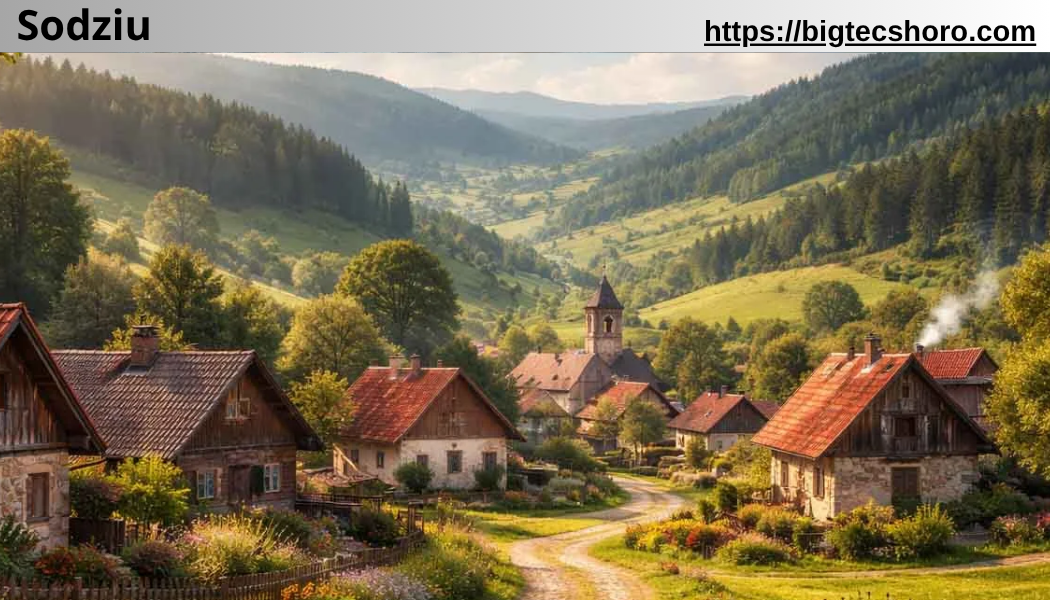

Sodziu is a term deeply connected to heritage, identity, community, and traditional ways of life. While modern societies continue to evolve through technology, globalization, and urban development, concepts like sodziu remind people of their cultural roots and the values that helped shape communities for generations.
- What Is Sodziu?
- The Historical Origins of Sodziu
- Why Sodziu Matters Today
- Preserving Cultural Identity
- Strengthening Community Bonds
- Promoting Sustainable Living
- Supporting Cultural Tourism
- Core Values Associated with Sodziu
- Daily Life in Traditional Sodziu Communities
- Cultural Traditions of Sodziu
- The Role of Nature in Sodziu
- Traditional Architecture and Sodziu
- Food Culture and Sodziu
- Sodziu and Local Crafts
- The Educational Value of Sodziu
- How Urbanization Has Changed Sodziu
- Sodziu in the Digital Age
- Economic Importance of Sodziu
- Challenges Facing Sodziu Today
- How Communities Are Preserving Sodziu
- Expert Insights: Why Sodziu Remains Relevant
- Lessons Modern Society Can Learn from Sodziu
- Strong Communities Matter
- Heritage Has Value
- Sustainability Is Essential
- Relationships Matter More Than Technology
- Cultural Diversity Should Be Preserved
- The Future of Sodziu
- Conclusion
- Frequently Asked Questions About Sodziu
When people discuss sodziu, they are often referring to more than a physical place. The concept represents a lifestyle, a sense of belonging, a connection to family traditions, and a cultural foundation that continues to influence modern society. It reflects the relationship between people, land, history, and community.
In today’s fast-paced world, many individuals are seeking ways to reconnect with authenticity, simplicity, and meaningful cultural experiences. This renewed interest has brought greater attention to sodziu and its significance in preserving cultural identity.
This comprehensive guide explores the meaning of sodziu, its historical origins, cultural importance, traditional lifestyle, social values, economic role, modern transformation, and future relevance. Whether you are learning about sodziu for the first time or looking for deeper insights, this article provides a complete understanding of the topic.
What Is Sodziu?
Sodziu is commonly associated with traditional village life, cultural heritage, community values, and historical identity. The concept often represents a rural settlement or village environment where customs, traditions, and family connections have been preserved across generations.
However, sodziu is more than a geographic location.
It symbolizes:
- Community spirit
- Cultural continuity
- Family traditions
- Local knowledge
- Connection to nature
- Historical identity
- Shared values
For many people, sodziu represents a way of life that prioritizes relationships, cooperation, and cultural preservation.


The Historical Origins of Sodziu
Understanding sodziu requires exploring its historical background.
Also read:JR Geo: Turning Geo-Data Into Smart Intelligence for a Better Future
For centuries, villages served as the foundation of social and economic life in many regions around the world. Before urbanization and industrialization transformed societies, rural communities played a central role in agriculture, trade, education, and cultural development.
Within these communities, traditions were passed down through generations.
People learned:
- Farming techniques
- Craftsmanship
- Family customs
- Community responsibilities
- Cultural practices
Sodziu emerged as a symbol of these traditional community structures.
The village was not merely a collection of homes. It functioned as a social system where individuals relied on one another for support, cooperation, and survival.
Why Sodziu Matters Today
Many people assume that traditional village culture belongs only to history. However, sodziu remains relevant in modern society.
Several factors explain its continuing importance.
Preserving Cultural Identity
As globalization increases cultural exchange, communities often seek ways to preserve their unique traditions.
Sodziu serves as a reminder of local heritage and historical roots.
Strengthening Community Bonds
Modern life can sometimes create social isolation.
The values associated with sodziu emphasize:
- Cooperation
- Neighborly support
- Shared responsibility
- Social connection
These principles remain valuable today.
Promoting Sustainable Living
Traditional communities often practiced sustainable resource management long before environmental conservation became a global priority.
Many lessons from sodziu can inform modern sustainability efforts.
Supporting Cultural Tourism
Visitors increasingly seek authentic cultural experiences.
Traditional villages and heritage communities often attract tourists interested in history, culture, and local traditions.
Core Values Associated with Sodziu
Several values define the essence of sodziu.
Family
Family relationships occupy a central role within traditional village culture.
Families often work together, celebrate together, and preserve traditions across generations.
Respect for Elders
Older generations are frequently viewed as sources of wisdom and experience.
Their knowledge contributes to cultural continuity.
Cooperation
Community members often collaborate on projects, celebrations, and problem-solving efforts.
Responsibility
Individuals are encouraged to contribute positively to the well-being of the community.
Cultural Preservation
Maintaining traditions, language, customs, and historical knowledge remains an important priority.
Also read:Top Apothecary Products for Home Remedies
Daily Life in Traditional Sodziu Communities
Life in traditional sodziu environments often revolved around community participation and practical activities.
Agriculture
Agriculture frequently served as the economic foundation of village life.
Activities included:
- Crop cultivation
- Animal care
- Food production
- Seasonal harvesting
Agricultural work shaped daily routines and community calendars.
Household Activities
Families often engaged in:
- Food preparation
- Textile production
- Home maintenance
- Craftsmanship
These activities contributed to self-sufficiency.
Community Gatherings
Social interaction played an important role.
Community gatherings helped strengthen relationships and preserve traditions.
Cultural Traditions of Sodziu
Traditions form a major part of sodziu culture.
Seasonal Celebrations
Many communities organized events around agricultural cycles.
Celebrations often marked:
- Planting seasons
- Harvest periods
- Religious holidays
- Historical anniversaries
Music and Dance
Traditional music and dance remain powerful expressions of cultural identity.
These activities often accompany festivals and celebrations.
Storytelling
Stories help preserve:
- Historical knowledge
- Moral lessons
- Family histories
- Cultural values
Storytelling remains one of the most effective methods of cultural transmission.
Traditional Clothing
Traditional attire often reflects regional identity and craftsmanship.
Clothing may feature unique designs, materials, and symbolic patterns.
The Role of Nature in Sodziu
Nature occupies a central position within the concept of sodziu.
Traditional communities often maintain close relationships with their surrounding environment.
This connection influences:
- Agriculture
- Architecture
- Food traditions
- Seasonal activities
- Cultural beliefs
Living closely with nature encourages awareness of environmental changes and resource management.
Traditional Architecture and Sodziu
Village architecture often reflects local resources, climate conditions, and cultural traditions.
Common characteristics may include:
- Natural building materials
- Functional designs
- Community-oriented layouts
- Regional influences
Traditional structures often serve as symbols of cultural heritage.
Preserving historical architecture helps maintain connections to the past.
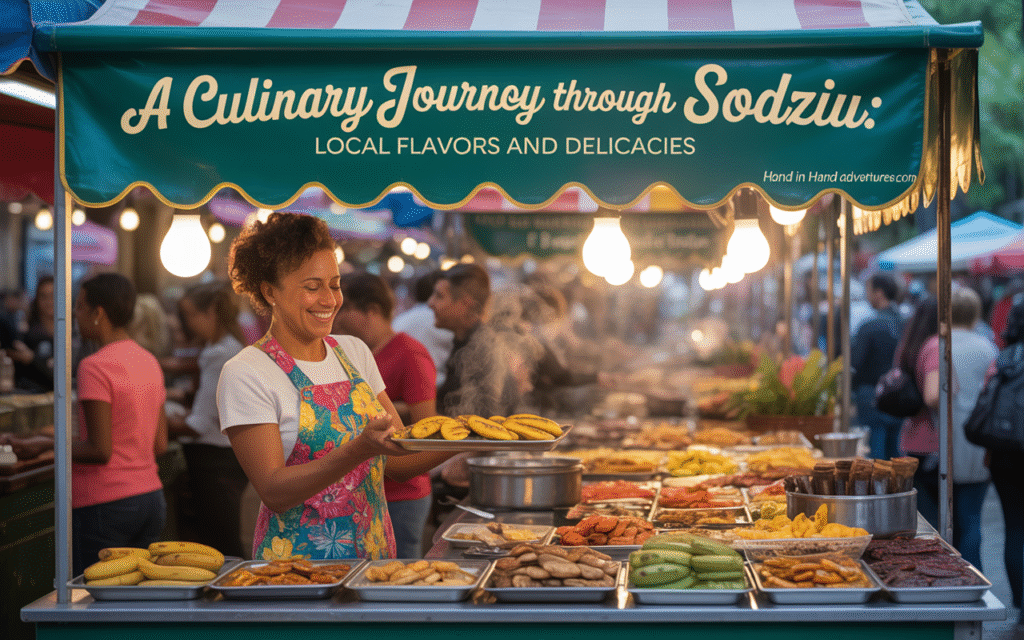
Food Culture and Sodziu
Food represents an important aspect of cultural identity.
Traditional sodziu cuisine often emphasizes:
- Locally sourced ingredients
- Seasonal foods
- Family recipes
- Community meals
Food serves multiple purposes beyond nutrition.
It supports:
- Social interaction
- Cultural preservation
- Family traditions
- Hospitality
Many traditional recipes continue to be passed down through generations.
Sodziu and Local Crafts
Craftsmanship frequently plays an important role in village life.
Artisans may produce:
- Textiles
- Pottery
- Woodwork
- Decorative items
- Household tools
These crafts often reflect regional traditions and historical influences.

Raw Magazine –
Supporting local artisans helps preserve cultural knowledge and economic opportunities.
The Educational Value of Sodziu
Sodziu offers valuable educational opportunities.
Students and researchers can learn about:
- History
- Anthropology
- Sociology
- Environmental sustainability
- Cultural studies
Traditional communities often provide practical examples of concepts discussed in academic settings.
How Urbanization Has Changed Sodziu
Urbanization has transformed many traditional communities.
Population Movement
Many people move from rural areas to cities in search of education and employment opportunities.
Changing Lifestyles
Modern technologies and economic changes influence traditional practices.
Cultural Adaptation
Communities often adapt traditions to remain relevant in contemporary society.
Despite these changes, many aspects of sodziu continue to survive and evolve.
Sodziu in the Digital Age
Technology has created new opportunities for cultural preservation.
Digital Archives
Historical records can be preserved online.
Virtual Cultural Experiences
People can learn about traditional communities through digital platforms.
Social Media
Communities can share traditions with broader audiences.
Educational Resources
Digital content helps younger generations learn about cultural heritage.
Technology can support preservation when used thoughtfully.
Economic Importance of Sodziu
Traditional communities contribute to local and regional economies.
Agriculture
Food production remains economically important.
Tourism
Cultural tourism generates income for many communities.
Local Businesses
Traditional products often support small businesses and entrepreneurs.
Cultural Industries
Art, music, crafts, and heritage experiences contribute to economic activity.
These sectors help sustain community development.
Challenges Facing Sodziu Today
Although sodziu remains culturally significant, several challenges exist.
Loss of Traditional Knowledge
As older generations pass away, valuable knowledge may disappear.
Migration
Population decline can weaken community structures.
Globalization
External influences sometimes reduce interest in traditional practices.
Economic Pressures
Limited economic opportunities can affect community sustainability.
Addressing these challenges requires active preservation efforts.
How Communities Are Preserving Sodziu
Many initiatives support cultural preservation.
Heritage Programs
Organizations often document traditions and historical knowledge.
Educational Projects
Schools may teach local history and culture.
Cultural Festivals
Festivals help keep traditions visible and relevant.
Tourism Development
Responsible tourism can support preservation efforts.
Community Participation
Local involvement remains essential for long-term success.
Expert Insights: Why Sodziu Remains Relevant
Many discussions focus on sodziu as a historical concept.
However, its greatest value may lie in the lessons it offers modern society.
Sodziu demonstrates the importance of:
- Community cooperation
- Cultural identity
- Environmental awareness
- Intergenerational learning
- Social responsibility
These principles remain highly relevant despite technological advancement.
In fact, as modern life becomes increasingly fast-paced and digital, many people find renewed value in the simplicity and authenticity associated with traditional communities.
This may explain why interest in sodziu continues to grow.
Lessons Modern Society Can Learn from Sodziu
Several insights emerge from studying traditional village culture.
Strong Communities Matter
Social support systems contribute to resilience and well-being.
Heritage Has Value
Understanding history strengthens identity.
Sustainability Is Essential
Responsible resource management benefits future generations.
Relationships Matter More Than Technology
Technology can improve life, but meaningful relationships remain fundamental.
Cultural Diversity Should Be Preserved
Each community contributes unique perspectives and traditions.
The Future of Sodziu
The future of sodziu depends on balancing preservation with adaptation.
Successful communities will likely:
- Embrace technology strategically
- Preserve cultural traditions
- Encourage youth participation
- Support sustainable development
- Promote heritage education
Rather than disappearing, sodziu may continue evolving while maintaining its core values.
Conclusion
Sodziu represents far more than a traditional village or rural settlement. It embodies cultural identity, community values, historical continuity, and a way of life that continues to influence modern society.
Through its traditions, social structures, craftsmanship, food culture, environmental awareness, and community spirit, sodziu provides valuable lessons for contemporary life.
As societies continue to change, preserving the knowledge and values associated with sodziu becomes increasingly important. These traditions offer insights into sustainability, cooperation, cultural resilience, and human connection.
For anyone interested in history, culture, community development, or heritage preservation, understanding sodziu provides a deeper appreciation of the foundations that continue to shape modern life.
Frequently Asked Questions About Sodziu
What does sodziu mean?
Sodziu generally refers to traditional village life, cultural heritage, community identity, and rural traditions.
Why is sodziu important?
Sodziu helps preserve cultural history, family traditions, community values, and local identity.
Is sodziu only about villages?
No. While connected to village life, sodziu also represents broader cultural values and ways of living.
How does sodziu influence modern culture?
Many traditions, customs, foods, celebrations, and community practices originate from traditional village culture.
Can tourism help preserve sodziu?
Yes. Responsible cultural tourism can generate resources that support heritage preservation and community development.
What challenges does sodziu face today?
Common challenges include urbanization, migration, globalization, economic pressures, and the loss of traditional knowledge.