







In today’s fast-moving digital economy, businesses and organizations face increasing pressure to improve efficiency, reduce costs, and make better decisions. Whether managing supply chains, monitoring assets, tracking performance, or optimizing workflows, companies need intelligent solutions that provide accurate information in real time.
- What Is Tracqueur?
- Why Tracqueur Matters in 2026
- Rising Demand for Real-Time Information
- Increased Operational Complexity
- Competitive Pressure
- Digital Transformation
- The Core Principles of Tracqueur
- How Tracqueur Works
- Applications of Tracqueur Across Industries
- Tracqueur and Digital Transformation
- The Role of Artificial Intelligence in Tracqueur
- Benefits of Implementing Tracqueur
- Improved Productivity
- Better Decision-Making
- Reduced Costs
- Increased Accountability
- Enhanced Customer Satisfaction
- Greater Operational Control
- Tracqueur and Data Analytics
- Common Challenges in Tracking Systems
- Best Practices for Successful Tracqueur Implementation
- Define Clear Objectives
- Start with Key Processes
- Ensure Data Accuracy
- Provide Employee Training
- Monitor Results
- Maintain Flexibility
- Tracqueur and Remote Work
- The Future of Tracqueur
- Internet of Things (IoT)
- Artificial Intelligence Expansion
- Cloud-Based Platforms
- Predictive Operations
- Greater Automation
- Enhanced User Experiences
- Expert Analysis: Why Tracqueur Represents More Than Tracking
- Real-World Examples of Tracqueur Principles
- Why Businesses Are Investing in Tracqueur Solutions
- Tracqueur and Sustainability
- Conclusion
- Frequently Asked Questions About Tracqueur
This growing demand has brought attention to tracqueur, a modern solution designed to streamline processes, enhance visibility, and improve operational performance across various sectors. As organizations continue embracing digital transformation, tracqueur has emerged as a concept associated with smarter tracking systems, data-driven decision-making, and improved productivity.
The importance of effective tracking has never been greater. Businesses operate in increasingly complex environments where delays, inefficiencies, and lack of visibility can negatively affect profitability and customer satisfaction. Tracqueur addresses these challenges by helping organizations monitor activities, analyze performance, and respond quickly to changing conditions.
This comprehensive guide explores everything you need to know about tracqueur, including its meaning, applications, benefits, challenges, technologies, future trends, and practical implementation strategies. The article also provides unique insights and analysis that go beyond existing online resources, making it a valuable reference for business leaders, professionals, entrepreneurs, and technology enthusiasts.
What Is Tracqueur?
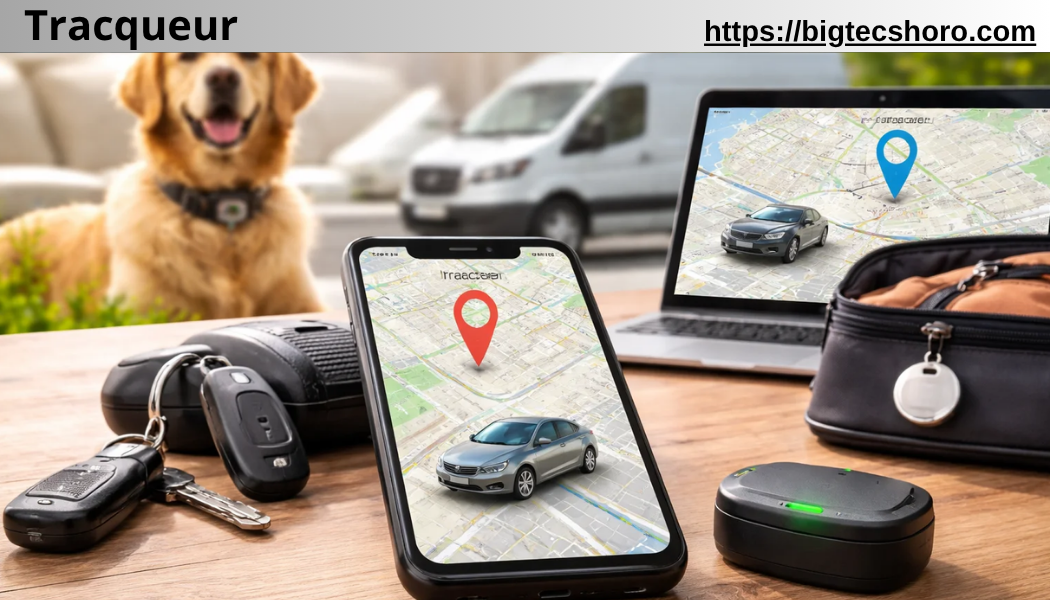
Tracqueur can be understood as a modern tracking and monitoring solution designed to improve efficiency, visibility, and operational control. The concept revolves around collecting, organizing, analyzing, and utilizing information to support better decision-making.
Unlike traditional tracking methods that often rely on manual processes, tracqueur emphasizes automation, real-time monitoring, and data-driven insights.
At its core, tracqueur focuses on:
- Tracking assets
- Monitoring performance
- Improving workflow visibility
- Enhancing operational efficiency
- Supporting strategic decision-making
- Reducing process bottlenecks
The primary goal of tracqueur is to help organizations understand what is happening within their operations at any given moment.


Why Tracqueur Matters in 2026
The business environment has become increasingly data-driven.
Also read:Messonde: A Complete Guide to Understanding, Using, and Mastering the Concept in 2026
Organizations now manage:
- Complex supply chains
- Distributed workforces
- Digital assets
- Customer interactions
- Remote operations
- Global logistics networks
Without proper tracking systems, maintaining visibility becomes difficult.
Tracqueur addresses this challenge by creating a structured approach to monitoring activities and measuring performance.
Several factors contribute to its growing relevance:
Rising Demand for Real-Time Information
Business leaders want immediate access to accurate data.
Real-time visibility enables faster decision-making and improved responsiveness.
Increased Operational Complexity
Modern organizations manage multiple systems simultaneously.
Tracqueur helps connect information across departments and processes.
Competitive Pressure
Companies that operate efficiently often outperform competitors.
Tracking systems provide valuable insights that support continuous improvement.
Digital Transformation
Organizations increasingly rely on technology to automate tasks and improve performance.
Tracqueur aligns closely with digital transformation initiatives.
The Core Principles of Tracqueur
Several key principles define the tracqueur approach.
Visibility
Visibility allows organizations to see what is happening across operations.
This includes:
- Asset locations
- Project status
- Employee activities
- Inventory levels
- Customer interactions
Improved visibility reduces uncertainty and improves decision quality.
Accuracy
Reliable information forms the foundation of effective tracking.
Tracqueur emphasizes accurate data collection and reporting.
Efficiency
One of the primary goals of tracqueur is reducing wasted time and resources.
Efficient processes support higher productivity and lower costs.
Automation
Automation minimizes manual work and reduces human error.
Automated tracking systems often improve consistency and reliability.
Continuous Improvement
Tracking is not only about monitoring.
It is also about identifying opportunities for optimization and growth.
How Tracqueur Works
The tracqueur concept typically follows a structured process.
Data Collection
Information is gathered from various sources.
Examples include:
- Sensors
- Software systems
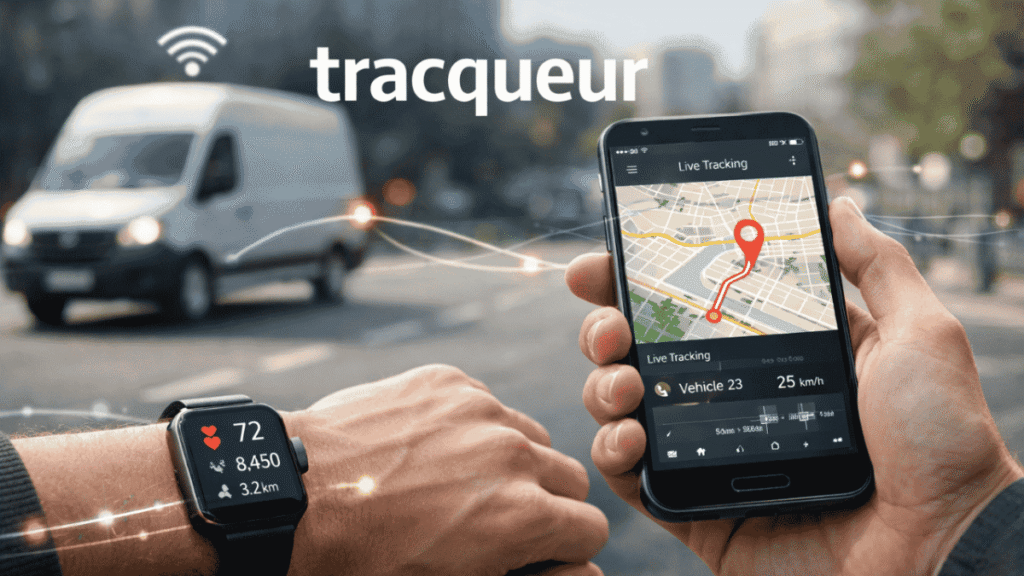
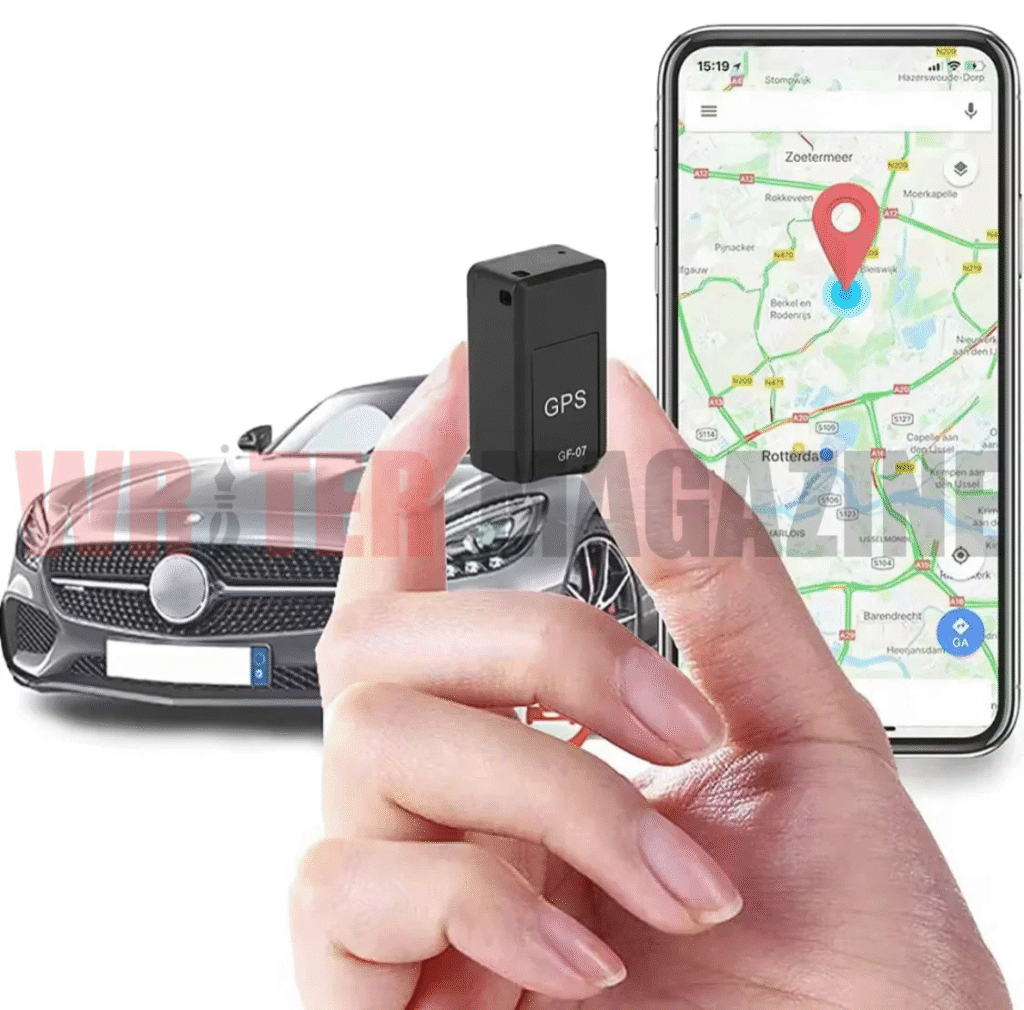
- GPS devices
- Mobile applications
- User interactions
Data Processing
Collected information is organized and analyzed.
Advanced systems may use artificial intelligence to identify patterns and trends.
Monitoring
Users access dashboards and reports to track performance.
Monitoring provides visibility into current operations.
Analysis
Organizations evaluate data to identify strengths, weaknesses, and improvement opportunities.
Action
Insights generated through tracqueur support informed decision-making.
Actions may include process adjustments, resource allocation, or strategic planning.
Applications of Tracqueur Across Industries
One of the biggest strengths of tracqueur is its versatility.
It can be applied in many industries.
Logistics and Transportation
Logistics companies rely heavily on tracking systems.
Tracqueur supports:
- Vehicle monitoring
- Route optimization
- Delivery tracking
- Fleet management
Improved visibility helps reduce delays and improve customer satisfaction.
Manufacturing
Manufacturers use tracqueur to monitor:
- Production processes
- Equipment performance
- Inventory levels
- Quality control
These insights help improve productivity and reduce waste.
Healthcare
Healthcare organizations use tracking systems for:
- Medical equipment management
- Patient flow optimization
- Resource allocation
- Operational monitoring
Efficiency improvements contribute to better patient outcomes.
Retail
Retail businesses apply tracqueur concepts to:
- Inventory tracking
- Supply chain management
- Customer behavior analysis
- Sales performance monitoring
These capabilities support more effective business decisions.
Construction
Construction projects involve numerous moving parts.
Tracking systems help monitor:
- Equipment usage
- Workforce activities
- Material deliveries
- Project timelines
Improved oversight reduces delays and cost overruns.
Tracqueur and Digital Transformation
Digital transformation involves integrating technology into business operations.
Tracqueur plays a significant role in this process.
Organizations pursuing digital transformation often focus on:
- Automation
- Data analytics
- Process optimization
- Customer experience improvements
Tracking systems provide the information necessary to support these goals.
Also read:The Role of a Psychiatric Mental Health Nurse Practitioner
Without visibility, successful digital transformation becomes much more difficult.
The Role of Artificial Intelligence in Tracqueur
Artificial intelligence continues reshaping tracking and monitoring technologies.
AI enhances tracqueur through:
Predictive Analytics
AI can forecast future events based on historical data.
Examples include:
- Equipment failures
- Inventory shortages
- Delivery delays
Pattern Recognition
Machine learning identifies trends that humans may overlook.
Automated Decision Support
AI can recommend actions based on real-time data.
Anomaly Detection
Systems can identify unusual activity that may require attention.
These capabilities significantly increase the value of tracking solutions.
Benefits of Implementing Tracqueur
Organizations that adopt tracqueur often experience numerous benefits.
Improved Productivity
Employees spend less time searching for information and more time performing valuable work.
Better Decision-Making
Accurate data supports informed decisions.
Reduced Costs
Efficiency improvements often lower operational expenses.
Increased Accountability
Tracking systems create transparency across operations.
Enhanced Customer Satisfaction
Faster responses and improved service contribute to better customer experiences.
Greater Operational Control
Managers gain deeper insights into organizational performance.
Tracqueur and Data Analytics
Data analytics serves as a critical component of modern tracking systems.
Collecting data alone is not enough.
Organizations must also understand what the data means.
Analytics helps answer questions such as:
- What is working well?
- Where are inefficiencies occurring?
- Which processes need improvement?
- How can resources be optimized?
Tracqueur transforms raw data into actionable insights.
Common Challenges in Tracking Systems
While tracqueur offers significant advantages, implementation can present challenges.
Data Quality Issues
Poor-quality data reduces system effectiveness.
Organizations must ensure accurate information collection.
Integration Complexity
Many businesses operate multiple software platforms.
Connecting systems can require substantial effort.
User Adoption
Employees may resist new technologies if training is insufficient.
Privacy Concerns
Organizations must balance tracking capabilities with privacy considerations.
Cost Considerations
Initial implementation may require investments in technology and infrastructure.
Proper planning helps minimize these challenges.
Best Practices for Successful Tracqueur Implementation
Organizations can maximize success by following proven practices.
Define Clear Objectives
Identify specific goals before implementation.
Start with Key Processes
Focus on high-impact areas first.
Ensure Data Accuracy
Reliable information improves outcomes.
Provide Employee Training
Well-trained users are more likely to embrace new systems.
Monitor Results
Regular evaluation supports continuous improvement.
Maintain Flexibility
Adapt systems as business needs evolve.
Tracqueur and Remote Work
Remote and hybrid work environments continue growing.
Tracking solutions help organizations manage distributed teams more effectively.
Applications include:
- Task monitoring
- Project tracking
- Productivity measurement
- Resource coordination
The goal is not excessive surveillance but improved visibility and collaboration.
Also read:Why Online Printing Services Are Becoming Essential for Students
Successful organizations use tracqueur to support employees rather than micromanage them.
The Future of Tracqueur
Several trends are shaping the future of tracking technology.
Internet of Things (IoT)
Connected devices generate valuable real-time data.
Artificial Intelligence Expansion
AI will provide increasingly sophisticated insights.
Cloud-Based Platforms
Cloud solutions improve accessibility and scalability.
Predictive Operations
Organizations will increasingly anticipate problems before they occur.
Greater Automation
Routine tasks will become more automated.
Enhanced User Experiences
Modern systems will become easier to use and more intuitive.
These developments will continue increasing the value of tracqueur solutions.
Expert Analysis: Why Tracqueur Represents More Than Tracking
Many people view tracking systems simply as monitoring tools.
However, this perspective underestimates their true value.
The real power of tracqueur lies in transforming information into strategic advantages.
Effective tracking enables organizations to:
- Improve performance
- Reduce uncertainty
- Enhance customer experiences
- Support innovation
- Drive long-term growth
In many cases, the competitive advantage comes not from collecting data but from using it effectively.
Organizations that understand this distinction often achieve superior results.
Real-World Examples of Tracqueur Principles
The principles behind tracqueur can be observed across numerous industries.
Examples include:
E-Commerce Operations
Online retailers track:
- Inventory levels
- Customer orders
- Shipping status
This visibility improves fulfillment efficiency.
Healthcare Facilities
Hospitals monitor equipment usage and patient flow.
The result is improved resource utilization.
Manufacturing Plants
Production tracking helps identify bottlenecks and improve output.
Transportation Networks
Fleet monitoring supports route optimization and fuel efficiency.
These examples demonstrate the broad applicability of tracqueur concepts.
Why Businesses Are Investing in Tracqueur Solutions
Organizations increasingly recognize the importance of visibility and operational intelligence.
Investment drivers include:
- Cost reduction
- Competitive pressure
- Customer expectations
- Efficiency goals
- Digital transformation initiatives
Businesses that ignore tracking technologies may struggle to remain competitive in increasingly data-driven markets.
Tracqueur and Sustainability
Sustainability has become a major business priority.
Tracking systems support sustainability by helping organizations:
- Reduce waste
- Optimize resource usage
- Improve energy efficiency
- Monitor environmental performance
These benefits contribute to both financial and environmental objectives.
Conclusion
Tracqueur represents a modern approach to tracking, monitoring, and operational optimization. By combining visibility, automation, data analytics, and strategic decision-making, tracqueur helps organizations improve efficiency and achieve better outcomes.
As businesses continue navigating increasingly complex environments, the importance of accurate information and real-time insights will only grow. Whether applied to logistics, healthcare, manufacturing, retail, construction, or remote work management, tracqueur provides a framework for enhancing performance and driving continuous improvement.
Organizations that embrace the principles of tracqueur are better positioned to adapt to change, improve productivity, and create sustainable competitive advantages. In a world driven by information, effective tracking is no longer optional—it is a critical component of long-term success.
Frequently Asked Questions About Tracqueur
Is tracqueur only used by large companies?
No. Small and medium-sized businesses can also benefit from tracqueur solutions by improving efficiency and visibility.
Does tracqueur require advanced technology?
Not necessarily. While advanced systems offer additional features, basic tracking principles can be implemented using simpler tools.
How does tracqueur improve customer satisfaction?
Better visibility and operational efficiency often result in faster service, fewer errors, and improved communication.
Can tracqueur support remote teams?
Yes. Many organizations use tracking systems to coordinate projects, monitor progress, and improve collaboration among remote employees.
Is tracqueur useful for startups?
Absolutely. Startups can use tracking systems to manage resources effectively and support scalable growth.
What skills are important for managing tracqueur systems?
Data analysis, project management, process improvement, and technology literacy are valuable skills.