






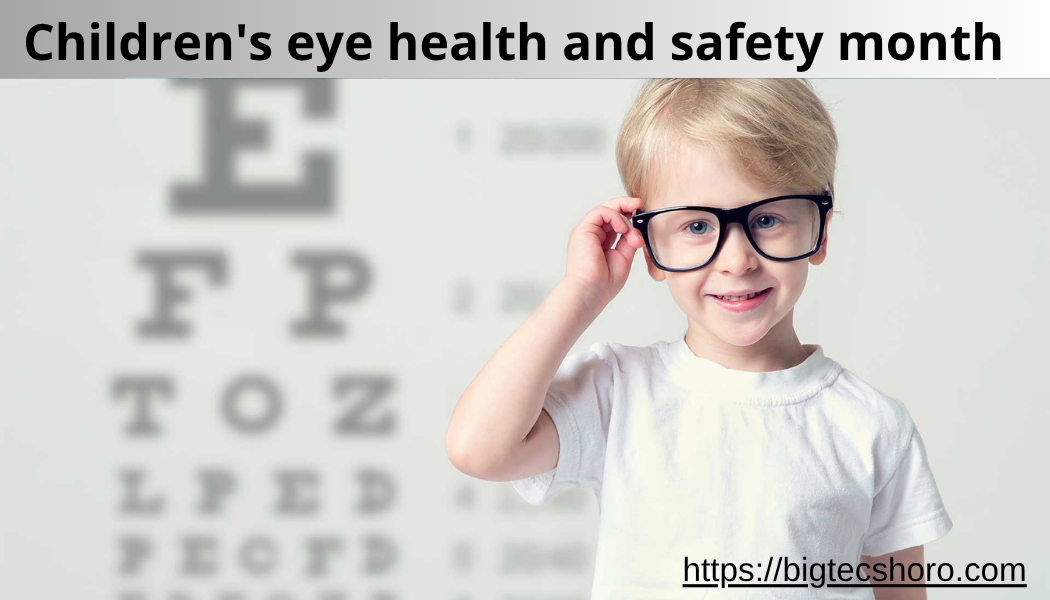

Children’s vision plays a key role in learning, development, and daily life. Yet many parents do not realize how common eye problems are in children. This is why children’s eye health and safety month is so important. It brings attention to eye care, early detection, and simple safety habits that protect children’s vision for life.
- What Is Children’s Eye Health and Safety Month
- Why Children’s Eye Health and Safety Month Matters
- Children’s Eye Health and Safety Month 2025: What to Expect
- Common Vision Problems in Children
- Signs Your Child May Have Vision Problems
- The Importance of Regular Eye Exams
- Children’s Eye and Health Safety Month August Activities
- Eye Safety Tips for Children
- Digital Eye Strain in Children
- Nutrition and Eye Health in Children
- The Role of Schools in Eye Health Awareness
- The Role of Parents and Caregivers
- Eye Safety in Sports and Outdoor Activities
- Long-Term Impact of Good Eye Care
- Practical Steps for Families
- Final Thoughts on Children’s Eye Health and Safety Month
- FAQs About Children’s Eye Health and Safety Month
This detailed guide explains everything about children’s eye health and safety month. It is designed for parents, teachers, and caregivers in the United States. The goal is to make the topic easy to understand, practical, and useful in real life.
What Is Children’s Eye Health and Safety Month
Children’s eye health and safety month is observed every August in the United States. It is a time dedicated to raising awareness about children’s vision and eye safety.
During this month, healthcare providers, schools, and organizations share information about eye exams, common vision problems, and ways to prevent injuries.
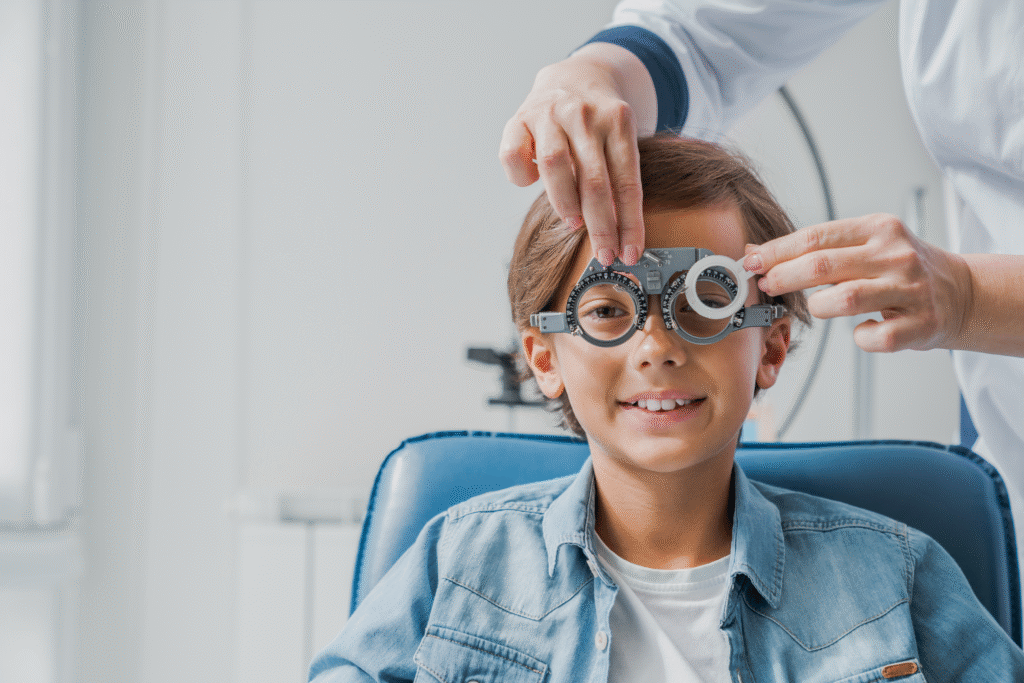
The purpose is simple. Help children see clearly and protect their eyes from harm.
Also read:Sinkom: A Complete Guide to Integration, Synchronization, and Communication in the Digital Era
This awareness month reminds families that eye care is not optional. It is essential for a child’s growth and success.
Why Children’s Eye Health and Safety Month Matters
Many vision problems in children go unnoticed. Kids may not realize they have trouble seeing. They may think their vision is normal.



This is where children’s eye health and safety month becomes important. It encourages early detection and action.
Good vision is linked to better learning. Children use their eyes for reading, writing, and classroom activities. If they cannot see clearly, they may struggle in school.
Eye safety is also critical. Many injuries happen at home, during sports, or while playing. Most of these injuries can be prevented with simple steps.
This month helps parents and communities focus on prevention, awareness, and care.
Children’s Eye Health and Safety Month 2025: What to Expect
Children’s eye health and safety month 2025 is expected to continue focusing on digital eye strain, early screening, and protective habits.
With increased screen time, more children are experiencing eye strain and fatigue. This makes awareness even more important.
In 2025, schools and health organizations are likely to promote regular eye exams and safe screen use.
Parents can expect more resources, online campaigns, and community events focused on children’s eye care.
This ongoing effort shows that eye health is becoming a higher priority in modern life.
Common Vision Problems in Children
Understanding common eye problems helps parents take early action.
One common issue is nearsightedness, also known as myopia. Children with this problem can see close objects clearly but struggle to see far away.
Another issue is farsightedness, where close objects are harder to see.
Astigmatism is also common. It causes blurred vision due to the shape of the eye.
Lazy eye, also called amblyopia, is a condition where one eye does not develop proper vision.
Crossed eyes, or strabismus, affect eye alignment.
Children’s eye health and safety month highlights these conditions so parents can recognize early signs.
Signs Your Child May Have Vision Problems
Children may not always say they have trouble seeing. Parents should watch for signs.
Frequent eye rubbing can be a sign of discomfort.
Squinting or tilting the head may indicate vision issues.
Sitting too close to screens or holding books very close can also be a warning sign.
Headaches and difficulty focusing in school are other signs.
If you notice these behaviors, it is important to schedule an eye exam.
The Importance of Regular Eye Exams
Regular eye exams are one of the most important parts of children’s eye health and safety month.
Eye exams can detect problems early, even before symptoms appear.
Also read:Gldyql: The Complete Guide to a Modern Digital Ecosystem for Data, Security, and Productivity
Experts recommend that children have their first eye exam at an early age, followed by regular check-ups.
Early detection can prevent long-term vision problems and support better learning.
Eye exams are quick, safe, and very effective in protecting your child’s vision.
Children’s Eye and Health Safety Month August Activities
Children’s eye and health safety month August is a great time to take action.
Parents can schedule eye exams for their children.
Schools can organize awareness programs and vision screenings.
Communities can host events that teach eye safety and care.
Simple activities at home can also make a difference. For example, teaching children to take breaks from screens or wear protective eyewear during sports.
These small steps can have a big impact.
Eye Safety Tips for Children
Eye safety is a key focus of children’s eye health and safety month.
Children should wear protective eyewear during sports and outdoor activities.
Sharp objects and toys should be handled carefully.
Chemicals and cleaning products should be kept out of reach.
Parents should also teach children not to rub their eyes too hard.
Sun protection is important as well. Sunglasses can protect children’s eyes from harmful UV rays.
These simple habits can prevent many eye injuries.
Digital Eye Strain in Children
Digital eye strain is becoming more common among children.
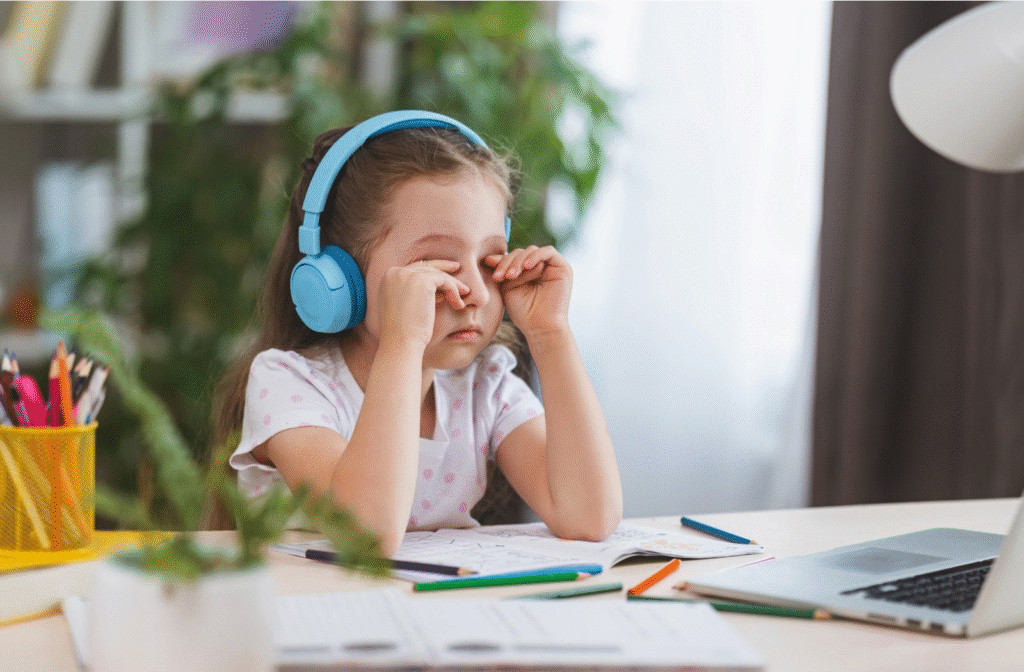
It is caused by long hours of screen use, including tablets, phones, and computers.
Symptoms include dry eyes, headaches, and blurred vision.
Children’s eye health and safety month encourages healthy screen habits.
The 20-20-20 rule is a simple method. Every 20 minutes, look at something 20 feet away for 20 seconds.
Limiting screen time and encouraging outdoor play also helps.
Nutrition and Eye Health in Children
Good nutrition plays an important role in eye health.
Foods rich in vitamins A, C, and E support vision.
Leafy greens, carrots, eggs, and fish are good choices.
A balanced diet helps protect the eyes and supports overall development.
Children’s eye health and safety month is a good time to improve eating habits.
Healthy food choices today can protect vision in the future.
The Role of Schools in Eye Health Awareness
Schools play a key role during children’s eye health and safety month.
Teachers can identify signs of vision problems in students.
Also read:Will a Business Loan Affect Getting a Mortgage: A Complete Guide for Borrowers
Schools can conduct vision screenings and share information with parents.
Classroom seating and lighting can also affect eye health.
By working together, schools and parents can ensure children have the support they need.
The Role of Parents and Caregivers
Parents are the first line of defense in protecting children’s vision.
They can schedule eye exams, monitor screen time, and teach safety habits.
Parents should also create a safe home environment to prevent injuries.
Being aware and proactive makes a big difference.
Children’s eye health and safety month reminds parents of their important role.
Eye Safety in Sports and Outdoor Activities
Sports are a common cause of eye injuries in children.
Balls, sticks, and physical contact can lead to accidents.
Protective eyewear can reduce the risk of injury.
Outdoor activities also require sun protection.
Teaching children safe practices helps them enjoy activities without risk.
Long-Term Impact of Good Eye Care
Good eye care in childhood leads to better outcomes in adulthood.
Healthy vision supports learning, confidence, and daily activities.
Preventing injuries and treating problems early reduces long-term risks.
Children’s eye health and safety month emphasizes the importance of starting early.
Investing in eye health today creates a better future.
Practical Steps for Families
Families can take simple steps during children’s eye health and safety month.
Schedule an eye exam for each child.
Encourage outdoor play and limit screen time.
Provide a healthy diet with eye-friendly foods.
Teach children about eye safety in a simple way.
These steps are easy but very effective.
Final Thoughts on Children’s Eye Health and Safety Month
Children’s eye health and safety month is more than just an awareness campaign. It is a reminder that vision care is essential for every child.
By focusing on prevention, early detection, and healthy habits, families can protect their children’s eyesight.
This month provides an opportunity to learn, act, and make lasting changes.
Healthy eyes help children learn, grow, and enjoy life to the fullest.
FAQs About Children’s Eye Health and Safety Month
When is children’s eye health and safety month observed?
It is observed every August in the United States.
Why is children’s eye health and safety month important?
It raises awareness about vision problems and promotes eye safety and early care.
How often should children have eye exams?
Children should have regular eye exams based on their age and doctor’s advice.
What are the most common eye problems in children?
Common problems include nearsightedness, farsightedness, astigmatism, and lazy eye.
How can parents protect their children’s eyes?
Parents can schedule eye exams, limit screen time, and teach safety habits.
Are screens harmful to children’s eyes?
Too much screen time can cause eye strain, but healthy habits can reduce the risk.