







Building a personal collection of entertainment that lives directly on your device carries an appeal that streaming simply cannot match for many people. There is genuine satisfaction in knowing that your favorite songs and videos are sitting in your storage, ready to play the instant you want them without any dependence on signal strength or data allowances. This sense of ownership taps into something deeper than convenience, because it gives users control over their own media in a world where so much content feels temporary and subject to removal at any moment.
The practical benefits reinforce this emotional appeal in ways that become obvious once you experience them. An offline library means consistent playback quality regardless of network conditions, no unexpected interruptions during a favorite track, and freedom from the anxiety of watching your data counter climb with every replay. Travelers, students, and anyone with an unpredictable connection find that a well stocked offline collection transforms their daily routine, turning dead time into enjoyable stretches filled with exactly the content they chose to save for themselves.
How Downloading Tools Fit Into Daily Life
A media downloader is not just an occasional utility but something that integrates into the rhythm of everyday living for those who use it regularly. The morning routine might involve queuing up freshly saved music for the commute, the lunch break could be spent saving a few videos spotted earlier, and the evening often brings relaxed browsing for content to enjoy before sleep. This natural integration is what separates a tool people genuinely rely on from one that gets installed and forgotten within a week.
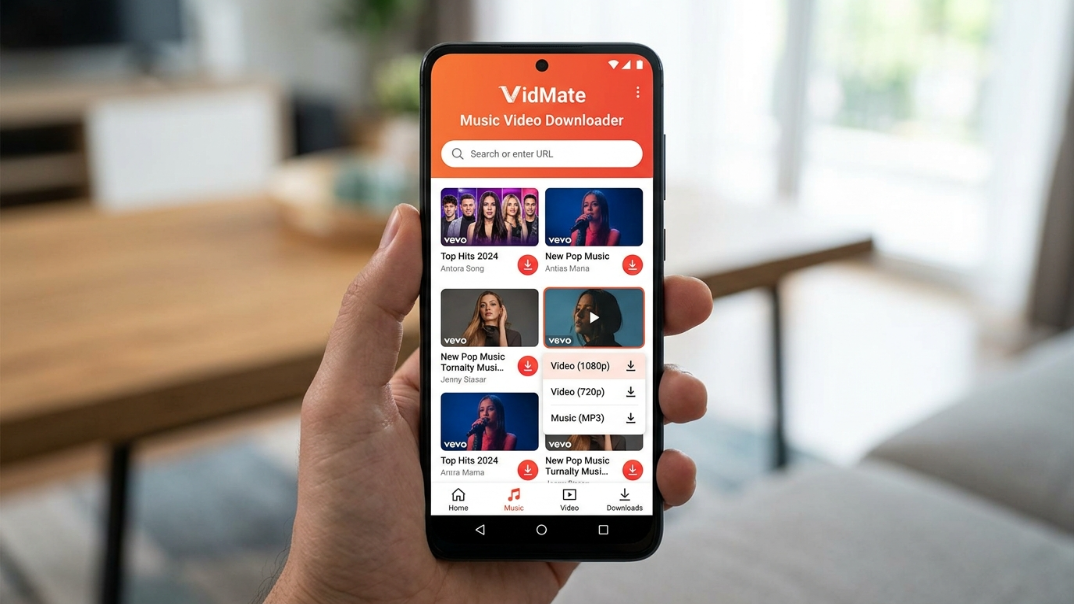
Tools such as Vidmate have earned attention precisely because they slot into these patterns without demanding much effort from the user. The process of finding something interesting and saving it becomes almost automatic, requiring just a tap or two rather than a complicated sequence of steps. When a tool reduces friction to that degree, it stops feeling like software you have to operate and starts feeling like a natural extension of how you already use your phone, which is the highest compliment any application can really earn.
Balancing Quality Against Storage
Every download involves a quiet negotiation between how good the content looks and sounds versus how much room it occupies on your device. Higher quality files deliver a richer experience but consume storage quickly, while lower quality options stretch your available space across a much larger collection. Learning to navigate this tradeoff thoughtfully is one of the skills that distinguishes a savvy user from someone who constantly runs out of room and grows frustrated with the whole process.
The right balance depends entirely on personal circumstances and the specific purpose of each download. Music intended for background listening during a workout rarely needs the highest possible bitrate, so a moderate setting saves space without any noticeable loss. A favorite music video that you plan to watch repeatedly on a large screen, however, justifies a larger high quality file. Developing an intuition for these decisions comes with practice, and a good downloader supports the process by clearly showing file sizes and quality levels before you commit to any single download.
Maintaining a Healthy Media Collection
A collection that grows without any oversight eventually becomes a burden rather than a benefit, which is why occasional maintenance deserves a place in every user’s routine. Setting aside a few minutes every couple of weeks to review what you have saved keeps the library relevant and prevents storage from filling up with content you no longer care about. This habit feels minor but compounds over time into a noticeably cleaner and more useful collection that actually reflects your current tastes.
Organization works hand in hand with regular cleanup to keep everything functional and pleasant to use. Grouping content by mood, artist, or purpose makes retrieval effortless, and consistent naming helps you locate specific items without endless scrolling. Some users go further by backing up their most treasured downloads to a separate location for safekeeping, ensuring that a lost or damaged phone does not erase a collection built up over months. These simple practices protect the time and care you have invested, allowing your offline entertainment library to remain a lasting source of enjoyment.