






The way people connect with creators, brands, celebrities, and online communities has changed dramatically in recent years. In the past, fans were often viewed as simple followers who consumed content, purchased products, and supported their favorite personalities from a distance. Today, that traditional idea of fandom has transformed into something much more interactive and powerful.
- What Is Fanquer?
- The Rise of the Fanquer Culture
- Social Media Empowerment
- Growth of Creator Economies
- Demand for Authentic Experiences
- Technology and Online Communities
- How Fanquers Differ From Traditional Fans
- Passive Consumption vs Active Participation
- Following Trends vs Creating Trends
- Individual Support vs Community Building
- Brand Loyalty vs Brand Partnership
- Why Fanquers Matter in Today’s Digital World
- Fanquers Increase Brand Awareness
- Fanquers Create Valuable Feedback
- Fanquers Strengthen Emotional Connections
- Fanquers Generate User-Created Content
- The Psychology Behind Fanquer Behavior
- Sense of Belonging
- Personal Identity
- Recognition and Appreciation
- Creativity and Self-Expression
- Fanquer Marketing: How Brands Can Benefit From Active Communities
- Creating Community-Focused Experiences
- Listening to Fan Feedback
- Encouraging Creativity
- Providing Exclusive Experiences
- Building Two-Way Communication
- How Creators Can Build Strong Fanquer Communities
- Authentic Communication
- Involving Fans in Decisions
- Recognizing Community Contributions
- Maintaining Consistent Engagement
- The Role of Fanquers in Shaping the Future of Digital Culture
- Fanquer Communities and the Future of Brand Relationships
- The Impact of Fanquers on the Creator Economy
- Fanquer Influence on Product Development
- The Connection Between Fanquers and User-Generated Content
- Challenges of Managing Fanquer Communities
- Managing Expectations
- Handling Negative Discussions
- Maintaining Authentic Engagement
- Protecting Community Health
- How Businesses Can Build a Successful Fanquer Strategy
- Encourage Meaningful Participation
- Reward Community Contributions
- Create Transparent Communication
- Focus on Long-Term Relationships
- The Difference Between Fanquer Engagement and Traditional Influencer Marketing
- Why Fanquer Culture Is Important for Businesses in the United States
- The Future Trends of Fanquer Communities
- Artificial Intelligence and Personalized Communities
- Virtual and Digital Experiences
- Community-Based Innovation
- Growth of Independent Creators
- How Individuals Can Become Valuable Fanquers
- Conclusion
- Frequently Asked Questions About Fanquer
The term fanquer represents this new generation of fans who are not just passive audiences but active participants in shaping stories, communities, products, and digital experiences. A fanquer does not simply watch, like, or follow. Instead, they engage, create, influence, share opinions, and sometimes even help guide the direction of a brand or creator.
As social media platforms, online communities, and creator economies continue to expand, fanquers have become an important force in modern marketing, entertainment, and digital culture. They contribute ideas, create user-generated content, participate in discussions, and build emotional connections that go beyond traditional customer relationships.
Understanding fanquer culture is becoming increasingly important for businesses, creators, and marketers who want to build meaningful relationships with modern audiences. The future belongs to organizations that recognize fans as valuable partners rather than just consumers.
This article explores the meaning of fanquer, its importance, how it developed, its impact on brands and creators, and why this concept is shaping the future of digital engagement.
What Is Fanquer?
A fanquer is an active and engaged fan who goes beyond traditional support. The word combines the idea of a “fan” with the concept of someone who actively participates, questions, influences, and contributes to the communities they belong to.
Unlike traditional fans who mainly consume content, fanquers become part of the creative process. They may create videos, write reviews, develop fan art, participate in discussions, suggest improvements, organize communities, or influence purchasing decisions.
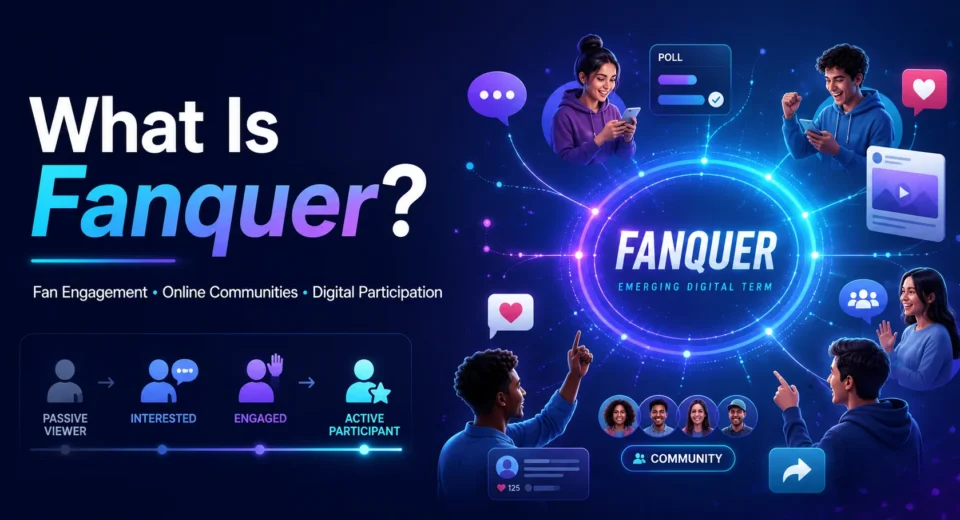
A fanquer does not simply ask, “What can this creator or brand offer me?” Instead, they think, “How can I contribute to this community and make it better?”


This shift represents a major change in the relationship between audiences and brands. Modern consumers want connection, recognition, and involvement. They want their voices to matter.
For example, a traditional fan might watch a musician’s new music video and share it with friends. A fanquer might also create reaction videos, discuss theories about upcoming projects, organize online campaigns, suggest ideas, and influence other people’s opinions about the artist.
The fanquer mindset is built around participation, collaboration, and shared experiences.
The Rise of the Fanquer Culture
The growth of fanquer culture is closely connected to the rise of the internet, social media, and digital communities. Before online platforms became common, fans had limited ways to communicate with creators and brands. Their interaction was mostly one-directional.
A television show aired an episode. A musician released an album. A company launched a product. Fans consumed these experiences but had little opportunity to directly influence them.
The digital era changed everything.
Platforms such as social networks, online forums, video-sharing websites, and community platforms allowed fans to communicate instantly. They could discuss ideas, create content, and build communities around shared interests.
This created a new type of relationship where audiences were no longer outside observers. They became active contributors.
Several factors have accelerated the rise of fanquers:
Social Media Empowerment
Social media gave ordinary users the ability to publish opinions, share creativity, and reach large audiences. A single fan-created post can now influence thousands or even millions of people.
A passionate fan can create content that receives more attention than official brand advertising. This has changed the balance of power between companies and consumers.
Growth of Creator Economies
Creators on platforms like YouTube, TikTok, Instagram, and streaming services have developed direct relationships with their audiences. These relationships encourage deeper engagement because creators often communicate personally with followers.
The distance between creator and audience has become smaller. Fans feel connected, involved, and valued.
Demand for Authentic Experiences
Modern audiences increasingly prefer authentic connections over traditional advertising. They want real stories, honest conversations, and communities where they feel included.
Fanquers naturally thrive in these environments because they seek meaningful participation rather than simple entertainment.
Technology and Online Communities
Digital tools have made it easier for people to organize around shared interests. Online groups, discussion spaces, live events, and membership communities allow fans to collaborate and create together.
Technology has transformed fandom from an individual activity into a collective experience.
How Fanquers Differ From Traditional Fans
The difference between a traditional fan and a fanquer is mainly based on the level of involvement.
Traditional fans usually support from a distance. They may purchase products, watch content, attend events, or follow updates. Their relationship is mainly based on appreciation.
Fanquers create a deeper relationship. They participate, contribute, and influence.
Some important differences include:
Passive Consumption vs Active Participation
Traditional fans mainly consume what is created by others.
Fanquers actively participate in the creation process. They share ideas, produce content, and influence conversations.
Following Trends vs Creating Trends
Traditional fans often follow existing trends.
Fanquers can help create new trends through their creativity and online influence.
Individual Support vs Community Building
Traditional fandom can be personal.
Fanquer culture focuses heavily on building communities where people connect with others who share similar interests.
Brand Loyalty vs Brand Partnership
Traditional customers may remain loyal to a brand because they like its products.
Fanquers often see themselves as partners who contribute ideas and help brands grow.
This difference is important because businesses that understand fanquers can create stronger relationships and more sustainable communities.
Why Fanquers Matter in Today’s Digital World
Fanquers have become valuable because attention has become one of the most important resources in the digital economy.
Millions of brands and creators compete for visibility every day. Traditional advertising alone is often not enough to create strong emotional connections.
Fanquers provide something more powerful: genuine community-driven engagement.
When people voluntarily promote a product, creator, or idea because they truly believe in it, their influence often feels more authentic than paid advertising.
Some major reasons fanquers matter include:
Fanquers Increase Brand Awareness
Fanquers naturally spread messages through their networks. They share content, recommend products, and introduce new audiences to brands.
This type of organic promotion can create significant awareness without companies relying only on expensive marketing campaigns.
A passionate community can become one of the strongest marketing assets a brand has.
Fanquers Create Valuable Feedback
One of the biggest advantages of fanquer communities is direct feedback.
Brands often spend significant resources researching customer preferences. However, engaged communities can provide real-time insights about what people like, dislike, and want to see improved.
Fanquers often identify problems, suggest features, and share creative ideas that businesses may not have considered.
Fanquers Strengthen Emotional Connections
People usually remember experiences and relationships more than advertisements.
Fanquers create emotional connections because they feel personally involved with the brands and creators they support.
When people feel heard and appreciated, they are more likely to remain loyal.
Fanquers Generate User-Created Content
User-generated content has become a major part of online marketing.
Fanquers create:
- Reviews
- Videos
- Tutorials
- Artwork
- Social media posts
- Discussions
- Community events
This content provides additional value and helps brands reach audiences in more natural ways.
The Psychology Behind Fanquer Behavior
Understanding why people become fanquers requires looking at human psychology.
People naturally want belonging, recognition, creativity, and connection. Fan communities provide all of these experiences.
A person may become a fan because they enjoy a product, movie, musician, game, or brand. However, they become a fanquer when they feel emotionally connected and motivated to participate.
Several psychological factors influence fanquer behavior.
Sense of Belonging
Humans are social beings. People enjoy being part of groups where they feel accepted and understood.
Fanquer communities create spaces where individuals can connect with others who share similar passions.
Personal Identity
Many people use the brands, creators, and communities they support as part of their identity.
For example, someone may feel connected to a specific gaming community, sports team, or creative movement because it represents their interests and values.
Recognition and Appreciation
People are more likely to participate when their contributions are noticed.
Creators and brands that recognize fan contributions often build stronger fanquer relationships.
A simple comment, feature, or acknowledgment can make community members feel valued.
Creativity and Self-Expression
Fanquers often participate because they enjoy creating and expressing themselves.
Whether through artwork, videos, writing, or discussions, participation allows people to share their creativity with others.
Fanquer Marketing: How Brands Can Benefit From Active Communities
Traditional marketing focuses on delivering messages to customers. Fanquer marketing focuses on creating conversations with communities.
The goal is not simply to attract buyers but to develop relationships where audiences feel involved.
Successful fanquer marketing strategies include:
Creating Community-Focused Experiences
Brands should create spaces where fans can interact, share ideas, and connect with each other.
A strong community encourages long-term engagement.
Listening to Fan Feedback
Fanquers want to feel heard. Brands that actively collect and respond to feedback show that they value their communities.
Encouraging Creativity
Companies can encourage fan-created content through challenges, contests, collaborations, and recognition programs.
Providing Exclusive Experiences
Exclusive content, behind-the-scenes access, early announcements, and special events can make fanquers feel appreciated.
Building Two-Way Communication
The strongest fan communities are based on conversations rather than announcements.
Brands should communicate with audiences instead of only speaking to them.
How Creators Can Build Strong Fanquer Communities
Creators have a unique advantage because their audiences often develop personal connections with them.
To encourage fanquer engagement, creators can focus on:
Authentic Communication
Audiences respond positively when creators are genuine and transparent.
Authenticity builds trust.
Involving Fans in Decisions
Creators can ask audiences for opinions about future projects, content ideas, and improvements.
This makes fans feel like they are part of the journey.
Recognizing Community Contributions
Highlighting fan creativity and achievements encourages more participation.
Maintaining Consistent Engagement
Regular communication helps strengthen relationships and keeps communities active.
The Role of Fanquers in Shaping the Future of Digital Culture
The rise of fanquer communities represents a major transformation in how people interact with entertainment, businesses, and online personalities. The modern audience no longer wants to remain on the sidelines. They want opportunities to contribute, communicate, and influence outcomes.
Also read:Schoology Alfa: The Complete Guide to Online Learning, Course Management, and Student Success
This shift is changing digital culture because ideas, trends, and movements are increasingly created through collaboration between creators and their communities. Fanquers are becoming important cultural drivers because they combine passion with participation.
In many industries, the success of a product or idea depends not only on its quality but also on the strength of the community surrounding it. A dedicated group of fanquers can turn an ordinary concept into a widely recognized movement through conversations, creativity, and shared experiences.
Fanquer Communities and the Future of Brand Relationships
The traditional relationship between companies and customers was based on transactions. A company created a product, promoted it, and customers decided whether to buy it.
The modern relationship is much more interactive. Consumers expect brands to communicate openly, understand their needs, and involve them in meaningful ways.
Fanquer communities are helping create this new relationship model.
Instead of seeing customers only as buyers, successful organizations now view them as contributors who can provide ideas, inspiration, and support. This approach creates deeper loyalty because people feel emotionally connected to the brand.
A company that builds a strong fanquer community can benefit from:
- Higher customer trust
- Stronger word-of-mouth promotion
- Better understanding of audience preferences
- Increased long-term loyalty
- More creative ideas from community members
The future of branding will likely depend less on one-way advertising and more on collaborative relationships.
The Impact of Fanquers on the Creator Economy
The creator economy has grown rapidly because audiences increasingly prefer personal connections over traditional media experiences. Creators are not only entertainers; they are community leaders who develop relationships with their audiences.
Fanquers play an important role in helping creators succeed.
A creator with an active fanquer community often has stronger growth potential because supporters do more than consume content. They help spread messages, recommend content to others, and participate in discussions.
For example, fanquers may:
- Promote new releases
- Create fan content
- Translate content for wider audiences
- Organize community events
- Share feedback about creative direction
- Introduce new followers to the creator
This type of involvement allows creators to develop sustainable communities rather than relying only on temporary popularity.
Fanquer Influence on Product Development
One of the most valuable aspects of fanquer culture is its ability to influence innovation.
Many businesses now recognize that their most dedicated communities can provide useful insights during product development.
Fanquers often understand a brand deeply because they actively follow its updates and participate in discussions. Their feedback can reveal opportunities that traditional market research may overlook.
Companies can involve fanquers by:
- Asking for opinions on new ideas
- Testing early versions of products
- Collecting community suggestions
- Creating feedback groups
- Reviewing customer experiences
When companies include their communities in development, customers often feel a stronger connection to the final product.
This approach changes product creation from a company-only process into a collaborative journey.
The Connection Between Fanquers and User-Generated Content
User-generated content has become one of the most powerful forms of digital communication. People often trust content created by other users because it feels more authentic and relatable.
Fanquers are among the biggest contributors to this type of content.
They create material because they genuinely care about the subjects they support. Their content often includes personal experiences, creative interpretations, and honest opinions.
Examples of fanquer-generated content include:
- Product demonstrations
- Creative videos
- Community discussions
- Fan theories
- Tutorials
- Reviews
- Social media campaigns
This content benefits both communities and organizations because it creates additional value beyond official marketing materials.
The growth of fanquer-generated content shows that audiences are no longer simply receiving information. They are actively producing and shaping digital conversations.
Challenges of Managing Fanquer Communities
Although fanquer communities provide many benefits, they also create challenges. Managing an active and passionate audience requires understanding, communication, and responsibility.
One major challenge is balancing creative freedom with brand identity.
Fanquers often have strong opinions and may express ideas that differ from official decisions. Organizations must learn how to listen while maintaining their goals.
Other challenges include:
Managing Expectations
Highly engaged communities may expect frequent updates, direct communication, and involvement in decisions.
Creators and brands need realistic communication strategies to avoid disappointment.
Handling Negative Discussions
Passionate communities can sometimes produce criticism or disagreements.
Negative feedback should not always be viewed as a problem. In many cases, it provides valuable information about audience concerns.
Maintaining Authentic Engagement
Communities can quickly lose trust if interactions become artificial or overly promotional.
Successful fanquer relationships require genuine communication.
Protecting Community Health
Large online communities may experience conflicts, misinformation, or unhealthy discussions.
Clear guidelines and respectful communication help maintain positive environments.
How Businesses Can Build a Successful Fanquer Strategy
Developing a fanquer-focused approach requires more than creating social media accounts. It requires understanding the values and motivations of the community.
A successful strategy includes several important elements.
Encourage Meaningful Participation
People participate more when they believe their contributions matter.
Brands can create opportunities for audiences to share opinions, submit ideas, and participate in creative activities.
Participation should feel valuable rather than like free promotion.
Reward Community Contributions
Recognition is a powerful motivator.
Companies and creators can appreciate fanquers by highlighting their work, featuring community members, or providing special experiences.
Recognition strengthens emotional connections.
Create Transparent Communication
Trust develops when organizations communicate honestly.
Sharing updates, explaining decisions, and acknowledging feedback helps communities feel respected.
Focus on Long-Term Relationships
A fanquer community is not built overnight.
Successful communities grow through consistent interaction, trust, and shared experiences.
Short-term campaigns may create attention, but long-term relationships create loyalty.
The Difference Between Fanquer Engagement and Traditional Influencer Marketing
Influencer marketing usually focuses on individuals who promote products or ideas to their followers. While influencers remain valuable, fanquer engagement represents a broader community-based approach.
An influencer may introduce people to a brand, but fanquers often build ongoing conversations around it.
The key difference is involvement.
Influencer marketing often follows a promotional model:
Brand → Influencer → Audience
Fanquer engagement creates a collaborative model:
Brand ↔ Community ↔ Shared Experience
This difference explains why fanquer communities can create stronger emotional connections.
Why Fanquer Culture Is Important for Businesses in the United States
In the United States, digital communities have become a major part of consumer behavior. People increasingly research products, discuss experiences online, and rely on community opinions before making decisions.
American consumers often value:
- Authenticity
- Personal connection
- Transparency
- Social interaction
- Personalized experiences
Fanquer culture aligns strongly with these expectations.
Companies that understand this shift can create stronger relationships with modern audiences.
From technology companies to entertainment brands, businesses that involve communities often achieve higher engagement because customers feel connected to the mission behind the product.
The Future Trends of Fanquer Communities
The future of fanquer culture will likely continue expanding as technology creates new ways for people to interact.
Several trends may shape the next stage of fanquer development.
Artificial Intelligence and Personalized Communities
Artificial intelligence tools may help brands and creators understand community preferences more effectively.
AI can analyze conversations, identify trends, and help create personalized experiences.
However, successful fanquer relationships will still depend on genuine human interaction.
Virtual and Digital Experiences
Virtual events, online spaces, and immersive technologies may create new opportunities for fanquers to participate.
Communities may become more interactive through digital environments where members can collaborate and communicate.
Community-Based Innovation
More companies may involve fanquers directly in innovation processes.
Future products may increasingly be developed with input from passionate communities.
Growth of Independent Creators
As digital platforms continue expanding, more independent creators will build strong fanquer communities without traditional media support.
This will create new opportunities for creativity and entrepreneurship.
How Individuals Can Become Valuable Fanquers
Becoming a fanquer is not only about supporting a favorite brand or creator. It is about contributing positively to a community.
People can develop a fanquer mindset by:
- Sharing thoughtful opinions
- Creating useful content
- Supporting other community members
- Providing constructive feedback
- Participating respectfully
- Helping communities grow
A valuable fanquer does not simply demand attention. They add value.
Conclusion
The concept of fanquer reflects a major transformation in how people connect with brands, creators, and communities. The modern audience is no longer satisfied with simply watching, buying, or following. People want to participate, contribute, and feel recognized.
Fanquers represent the future of engagement because they combine passion with action. They create conversations, influence decisions, support innovation, and strengthen communities.
For businesses and creators, understanding fanquer culture is no longer optional. It is becoming an important part of building meaningful relationships in a digital world.
The organizations that succeed in the future will be those that recognize their audiences as partners. By listening, collaborating, and creating shared experiences, brands can transform ordinary followers into powerful communities of fanquers who help shape the future.
Frequently Asked Questions About Fanquer
What does fanquer mean?
Fanquer refers to an active type of fan who participates, contributes, and influences the communities connected to brands, creators, or cultural movements. Unlike traditional fans, fanquers play an active role in shaping discussions and experiences.
Is fanquer the same as a fan?
No. A fanquer is a more engaged form of fan participation. While every fanquer is a fan, not every fan becomes a fanquer. Fanquers actively contribute through creativity, feedback, and community involvement.
Why are fanquers important for brands?
Fanquers help brands build stronger relationships with audiences. They provide feedback, create content, increase awareness, and help develop authentic communities around products or services.
Can small businesses benefit from fanquer communities?
Yes. Small businesses can benefit greatly because strong communities can create loyalty and organic promotion without requiring large marketing budgets.
How do creators encourage fanquer behavior?
Creators can encourage fanquer engagement by communicating openly, appreciating contributions, asking for feedback, and involving audiences in creative decisions.
Does fanquer culture only apply to entertainment?
No. Fanquer culture applies to many areas, including technology, fashion, sports, education, gaming, business, and online communities.