








Healthcare agencies are constantly seeking innovative solutions to enhance operational efficiency and improve patient care. One of the most promising technologies in this regard is Medical Dictation Ai, which leverages artificial intelligence to streamline clinical workflows. This article will explore how implementing Medical Dictation Ai can enhance clinical efficiency, transform patient documentation, reduce administrative burdens, and improve physician-patient interactions.
How Medical Dictation Ai Enhances Clinical Efficiency

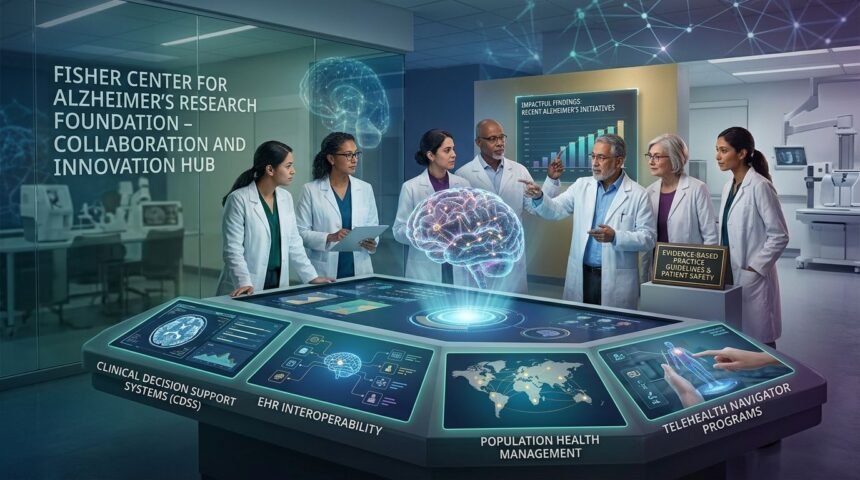
The integration of Medical Dictation Ai into healthcare systems significantly boosts clinical efficiency by automating the transcription process. This technology seamlessly integrates with existing Electronic Health Records (EHR) systems, ensuring seamless EHR Interoperability, which is crucial for maintaining accurate and up-to-date patient information. According to a report by HealthIT.gov, efficient EHR interoperability can reduce documentation time by up to 30%.
Medical Dictation Ai also supports healthcare agencies by enabling healthcare professionals to focus more on patient care rather than being bogged down by paperwork. This shift allows for more efficient allocation of resources and improves overall service delivery. Furthermore, the technology is designed to be compliant with industry standards such as HL7 Messaging, which facilitates secure data exchange across different healthcare systems.
Transforming Patient Documentation with AI Technology
Traditional patient documentation methods are often time-consuming and prone to errors. Implementing Medical Dictation Ai transforms this process by providing accurate and efficient documentation capabilities. This AI technology is designed to recognize medical terminology accurately, thereby minimizing errors commonly associated with manual transcription.
Moreover, Medical Dictation Ai enhances the quality of documentation, which is crucial for achieving Value-Based Care Metrics. Accurate documentation ensures that healthcare providers can deliver personalized care plans and track patient outcomes effectively. A study published in JMIR found that AI-powered documentation tools can improve documentation accuracy by up to 50%.
In addition to accuracy, the integration of Medical Dictation Ai with Patient Engagement Software ensures that patients have access to their medical records promptly. This approach fosters transparency and enhances patient satisfaction by keeping them informed about their healthcare journey.
Reducing Administrative Burden through Voice Recognition
The administrative tasks associated with patient documentation can be overwhelming for healthcare professionals. Medical Dictation Ai addresses this challenge by utilizing advanced voice recognition technology to automate these tasks. By reducing the time spent on administrative duties, healthcare providers can allocate more time to direct patient care.
Voice recognition technology also supports HIPAA Compliance Officers by ensuring that patient data is securely transcribed and stored. This compliance is critical in maintaining patient confidentiality and safeguarding sensitive health information. Furthermore, the use of Biometric Authentication Systems in conjunction with Medical Dictation Ai adds an extra layer of security, reducing the risk of unauthorized access to patient records.

Implementing Medical Dictation Ai also helps in streamlining the workflow of Medical Coding Specialists. By providing accurate and real-time transcriptions, this technology minimizes coding errors and reduces the need for manual corrections, thus enhancing overall efficiency.
Improving Physician-Patient Interaction with Streamlined Workflows
The integration of Medical Dictation Ai in clinical settings not only enhances operational efficiency but also improves the quality of physician-patient interactions. By minimizing the time spent on documentation, healthcare providers can focus more on patient engagement, leading to better communication and improved patient outcomes.
Streamlined workflows facilitated by Medical Dictation Ai also support Remote Patient Monitoring (RPM) by providing timely and accurate data for clinical decision-making. This integration with Clinical Decision Support Systems (CDSS) allows healthcare providers to make informed decisions quickly, improving patient care.
Moreover, the use of Medical Dictation Ai contributes to the success of Telehealth Platforms by enabling healthcare professionals to document patient interactions in real-time, ensuring that remote consultations are as effective as face-to-face meetings. This capability is particularly beneficial in expanding access to healthcare services, especially in underserved areas.
Conclusion

Implementing Medical Dictation Ai is a powerful strategy for healthcare agencies looking to streamline clinical workflows. By enhancing efficiency, transforming documentation, reducing administrative burdens, and improving physician-patient interactions, this technology supports the delivery of high-quality patient care. For healthcare agencies, adopting Medical Dictation Ai represents a forward-thinking approach to optimizing operations and achieving better health outcomes.