







Technology is changing faster than ever before. Every year, businesses launch smarter apps, advanced artificial intelligence systems, digital platforms, and automated tools designed to improve modern life. However, many people feel overwhelmed by complicated systems, constant notifications, and technology that seems cold or difficult to use.
- What Is Lufanest?
- The Origins of Lufanest
- Why Lufanest Matters Today
- Technology Fatigue Is Increasing
- Users Expect Personalization
- Emotional Experience Influences Technology Success
- The Core Principles of Lufanest
- Simplicity
- Emotional Awareness
- Adaptability
- Accessibility
- Calm Technology
- How Lufanest Is Changing Digital Design
- Lufanest and Artificial Intelligence
- Lufanest in Mobile Applications
- The Role of Lufanest in Healthcare Technology
- Lufanest in Education
- The Business Benefits of Lufanest
- Lufanest and Digital Wellness
- How Lufanest Influences Smart Devices
- Challenges Facing Lufanest
- Balancing Personalization and Privacy
- Avoiding Overdependence on AI
- Commercialization Risks
- Technology Complexity
- Lufanest and the Future of Work
- Why Consumers Prefer Human-Centered Technology
- Lufanest and Ethical Technology Development
- The Relationship Between Lufanest and Minimalism
- Expert Insights on Lufanest
- How Companies Can Apply Lufanest Principles
- Simplify User Interfaces
- Respect User Attention
- Prioritize Accessibility
- Build Ethical Personalization
- Focus on Emotional Experience
- The Future of Lufanest
- Why Lufanest Represents a Major Shift in Technology
- Final Thoughts on Lufanest
- FAQs About Lufanest
This is where “lufanest” enters the conversation.
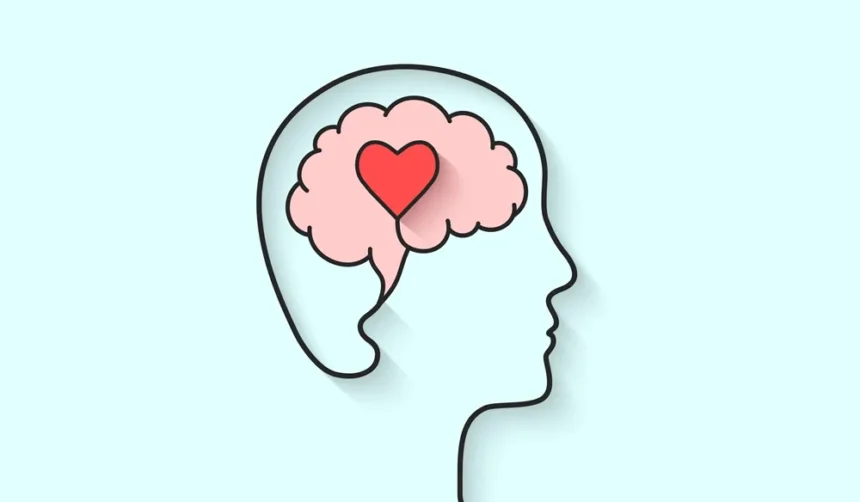
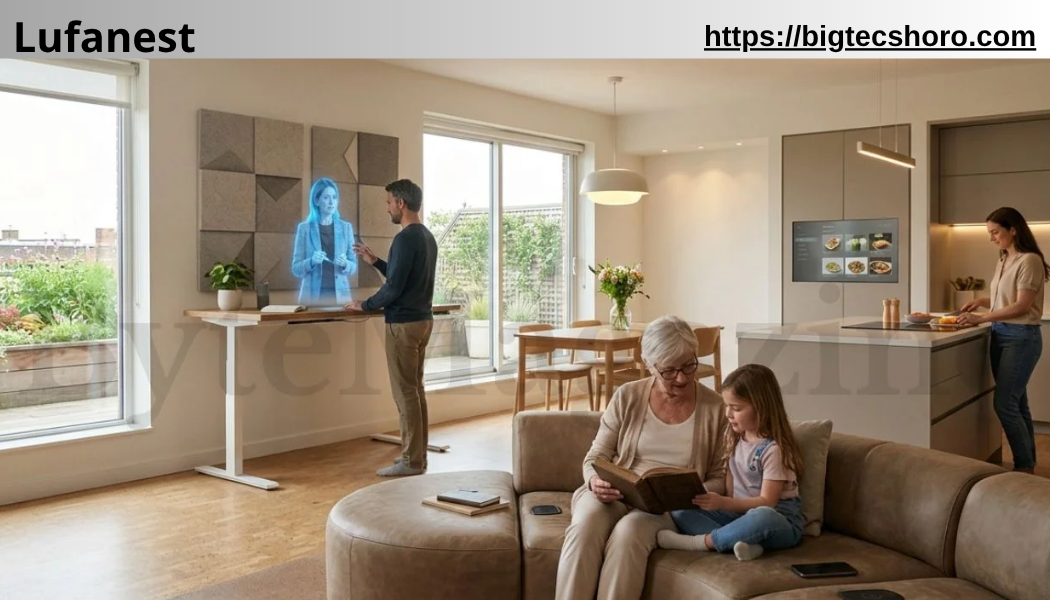
Lufanest is a human-centered technology philosophy that focuses on adaptability, emotional awareness, simplicity, and user-friendly digital experiences. Instead of designing technology only for speed and efficiency, lufanest encourages developers, businesses, and designers to create systems that understand human needs and emotions.
The growing interest in lufanest reflects an important shift in modern technology. People no longer want technology that only works. They want technology that feels natural, supportive, calming, and meaningful.
As digital experiences become part of daily life, the principles behind lufanest are becoming increasingly important across industries like:
- Artificial intelligence
- Mobile applications
- Smart devices
- Healthcare technology
- Education platforms
- Gaming
- Workplace software
- Customer service systems
This article explores everything about lufanest, including its meaning, philosophy, practical applications, future impact, business relevance, and why it may shape the future of digital experiences.
What Is Lufanest?
Lufanest is a modern design and technology philosophy centered around human experience. It prioritizes:
- Simplicity
- Emotional intelligence
- Adaptability
- Accessibility
- Calm digital interaction
- User well-being
- Personalized experiences
Unlike traditional technology models that focus heavily on technical performance, lufanest asks a deeper question:




“How does this technology make people feel?”
This emotional and human-focused approach separates lufanest from older technology philosophies that prioritized complexity, productivity, and automation above everything else.
Also read:Nahttypen: The Complete Guide to Seam Types in Sewing and Fashion
Lufanest encourages digital systems that:
- Reduce stress
- Improve comfort
- Adapt to user behavior
- Feel intuitive
- Support mental well-being
- Create healthier online experiences
At its core, lufanest believes technology should serve people in a natural and emotionally intelligent way.
The Origins of Lufanest
Although the term lufanest is still emerging, the ideas behind it evolved from several important technology trends over the past decade.
These trends include:
- Minimalist design
- User experience research
- Emotional AI development
- Digital wellness movements
- Human-centered design principles
- Accessible technology initiatives
- Adaptive learning systems
As technology became more powerful, many users started feeling disconnected from overly complicated digital environments. Businesses realized that technical power alone was not enough.
Users wanted:
- Simpler interfaces
- More personal experiences
- Less digital stress
- Better emotional connection
- Easier navigation
- More inclusive technology
Lufanest emerged as a response to these changing expectations.
Why Lufanest Matters Today
Modern life is deeply connected to technology. People spend hours each day using:
- Smartphones
- Laptops
- Apps
- Social media
- Smart home devices
- Online platforms
Because of this constant interaction, technology directly affects mental health, productivity, emotional well-being, and daily comfort.
Lufanest matters because it focuses on making digital experiences healthier and more human.
Technology Fatigue Is Increasing
Many people feel exhausted by:
- Endless notifications
- Complex interfaces
- Information overload
- Digital distractions
- Constant connectivity
Lufanest addresses these issues by promoting calmer and simpler digital experiences.
Users Expect Personalization
Modern consumers want systems that adapt to their needs. Lufanest encourages adaptive technologies that learn user preferences while remaining easy to use.
Emotional Experience Influences Technology Success
People often choose products based on emotional comfort rather than technical specifications alone.
Apps and platforms that feel welcoming and intuitive usually perform better long term.
The Core Principles of Lufanest
Several core principles define the lufanest philosophy.
Simplicity
Lufanest promotes clean and simple design.
Technology should not confuse users. Instead, it should guide them naturally through tasks without unnecessary complexity.
Simple systems:
- Reduce stress
- Improve accessibility
- Increase usability
- Create better user satisfaction
Emotional Awareness
Technology increasingly interacts with human emotions. Lufanest supports systems that understand emotional context and respond appropriately.
For example:
- Mental wellness apps offering calming experiences
- AI assistants recognizing stress signals
- Customer service bots using empathetic language
This emotional intelligence creates more supportive digital interactions.
Adaptability
Every user is different. Lufanest encourages flexible systems that adjust based on:
Also read:Gldyql: Complete Guide to the Smart Productivity and Workflow Optimization Platform
- User habits
- Preferences
- Accessibility needs
- Emotional states
- Learning patterns
Adaptive technology creates more personalized experiences.
Accessibility
Lufanest believes technology should be usable for everyone, including people with:
- Disabilities
- Limited technical knowledge
- Different learning styles
- Various age groups
Inclusive design is a major part of the philosophy.
Calm Technology
One of the most important ideas behind lufanest is reducing digital stress.
Instead of overwhelming users with alerts and distractions, calm technology:
- Provides useful information quietly
- Minimizes interruptions
- Supports focus
- Encourages healthier digital habits
How Lufanest Is Changing Digital Design
The influence of lufanest can already be seen in many modern digital products.
Cleaner User Interfaces
Many apps now use:
- Minimalist layouts
- Soft colors
- Simple navigation
- Clear typography
- Reduced clutter
These choices improve user comfort and readability.
Smarter Personalization
Modern platforms increasingly personalize content and recommendations based on user behavior.
However, lufanest encourages ethical personalization that feels supportive rather than invasive.
Better User Journeys
Developers now focus heavily on reducing frustration during digital interactions.
This includes:
- Faster loading times
- Simpler onboarding
- Clear instructions
- Easier account management
Lufanest and Artificial Intelligence
Artificial intelligence plays a major role in the future of lufanest.
AI systems are becoming more emotionally intelligent and user-focused.
Emotional AI
Some modern AI systems can analyze:
- Tone of voice
- Facial expressions
- Language patterns
- User behavior
This helps systems respond more naturally to emotional situations.
Adaptive Learning Systems
Educational platforms using lufanest principles may adapt lessons based on:
- Student progress
- Stress levels
- Learning speed
- Attention patterns
This creates more supportive learning environments.
AI Assistants
Future AI assistants may become:
- More conversational
- Emotionally aware
- Less robotic
- Better at understanding context
Lufanest encourages AI that feels helpful rather than mechanical.
Lufanest in Mobile Applications
Mobile apps are one of the biggest areas where lufanest principles are applied.
Wellness Apps
Meditation and mental wellness apps often use:
- Calm interfaces
- Gentle animations
- Relaxing sounds
- Minimal distractions
These design choices reflect lufanest thinking.
Productivity Apps
Modern productivity apps increasingly focus on:
- Focus management
- Reduced overwhelm
- Smart reminders
- Simple workflows
Instead of maximizing constant activity, they support healthier productivity habits.
Social Media Platforms
Some newer social platforms are experimenting with:
- Reduced algorithm pressure
- Healthier engagement systems
- Better moderation
- Less addictive design
These ideas connect strongly with lufanest values.
The Role of Lufanest in Healthcare Technology
Healthcare technology is becoming more patient-centered, making lufanest highly relevant.
Patient-Friendly Interfaces
Medical apps and healthcare systems are often difficult for users to understand. Lufanest encourages:
- Clear communication
- Simpler navigation
- Easy appointment systems
- Stress-free experiences
Mental Health Support
Mental health technology increasingly focuses on emotional well-being.
Apps now offer:
- Guided meditation
- Emotional tracking
- AI-based support systems
- Stress management tools
Remote Care Systems
Telehealth platforms using lufanest principles can create more comforting and accessible virtual healthcare experiences.
Lufanest in Education
Education technology benefits greatly from human-centered design.
Personalized Learning
Students learn differently. Adaptive systems can customize:
- Lesson speed
- Content difficulty
- Learning formats
- Feedback styles
Reduced Learning Stress
Lufanest encourages educational tools that reduce pressure and confusion.
Inclusive Digital Education
Accessible learning platforms help students with different abilities and backgrounds succeed more effectively.
The Business Benefits of Lufanest
Businesses adopting lufanest principles often improve customer satisfaction and brand loyalty.
Better User Retention
People continue using products that feel:
- Comfortable
- Easy
- Supportive
- Reliable
Stronger Brand Trust
Human-centered companies often build deeper emotional relationships with customers.
Improved Accessibility
Accessible products reach larger audiences and improve customer inclusivity.
Competitive Advantage
As users become more selective, businesses offering emotionally intelligent experiences may stand out from competitors.
Lufanest and Digital Wellness
Digital wellness is becoming a major global conversation.
People increasingly worry about:
- Screen addiction
- Social media anxiety
- Mental exhaustion
- Online stress
- Information overload
Lufanest directly supports healthier digital lifestyles.
Encouraging Mindful Technology Use
Instead of maximizing screen time, lufanest encourages:
- Balanced usage
- Healthy habits
- Focus protection
- Emotional well-being
Reducing Notification Overload
Too many alerts create anxiety and distraction. Calm technology reduces unnecessary interruptions.
Supporting Mental Health
Digital systems can positively affect emotional wellness when designed responsibly.
How Lufanest Influences Smart Devices
Smart devices are becoming part of daily life through:
- Smart homes
- Wearable technology
- Voice assistants
- Connected appliances
Lufanest encourages these devices to feel seamless and natural rather than intrusive.
Human-Friendly Automation
Automation should simplify life without creating confusion.
Intuitive Voice Interfaces
Voice assistants should communicate naturally and respectfully.
Low-Stress Smart Environments
Smart homes inspired by lufanest principles may prioritize comfort, lighting balance, sound control, and emotional atmosphere.
Challenges Facing Lufanest
Despite its benefits, lufanest also faces challenges.
Balancing Personalization and Privacy
Adaptive systems require data to personalize experiences. Companies must balance personalization with user privacy and ethical data use.
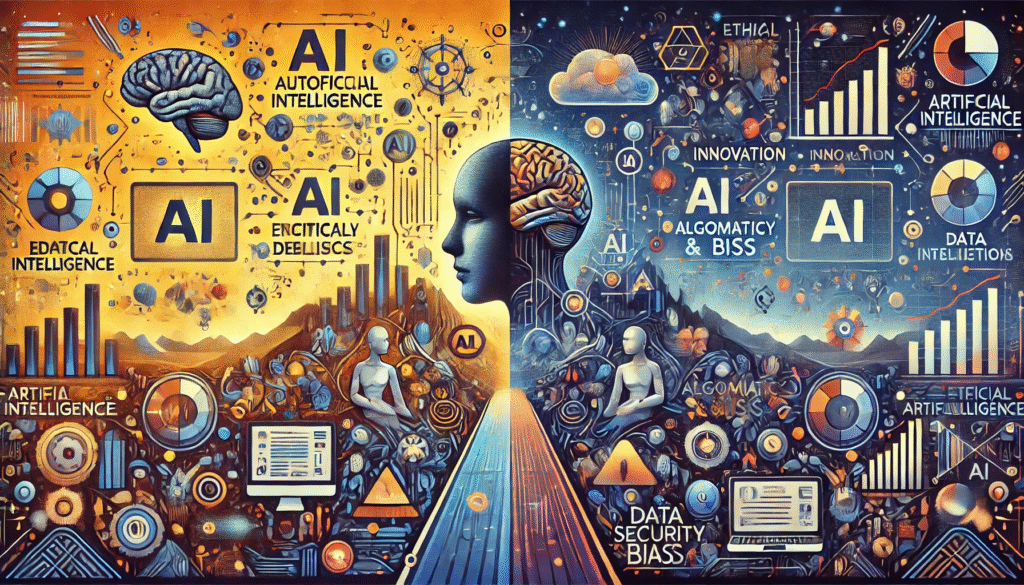
Avoiding Overdependence on AI
Emotionally intelligent technology should support human relationships, not replace them.
Commercialization Risks
Some companies may misuse human-centered language for marketing without genuinely improving user experience.
Technology Complexity
Creating emotionally adaptive systems requires advanced development and ongoing testing.
Lufanest and the Future of Work
Workplace technology is evolving rapidly.
Many workers feel overwhelmed by:
- Too many communication tools
- Endless notifications
- Complex software systems
- Remote work pressure
Lufanest may reshape workplace technology in several ways.
Smarter Collaboration Tools
Future workplace platforms may prioritize:
Also read:How Do You Become a Software Developer: Complete Beginner to Advanced Career Guide for 2026
- Focus time
- Mental wellness
- Simpler communication
- Reduced distractions
Emotionally Aware Systems
AI tools may eventually detect burnout or stress and recommend healthier work habits.
Better Remote Work Experiences
Human-centered digital tools can improve virtual collaboration and employee satisfaction.
Why Consumers Prefer Human-Centered Technology
People naturally prefer technology that feels easy and emotionally comfortable.
Emotional Connection Matters
Consumers often stay loyal to products that:
- Feel intuitive
- Reduce frustration
- Create positive experiences
Simplicity Saves Time
Simple systems improve productivity and reduce learning barriers.
Comfort Builds Trust
Technology that respects user attention and emotional well-being often earns stronger trust.
Lufanest and Ethical Technology Development
Ethics are becoming more important in technology discussions.
Lufanest encourages ethical priorities like:
- Transparency
- User consent
- Accessibility
- Fair AI systems
- Healthy engagement models
This philosophy supports long-term sustainable technology development.
The Relationship Between Lufanest and Minimalism
Minimalist design strongly influences lufanest.
However, lufanest goes beyond visual simplicity. It also focuses on emotional simplicity.
This means reducing:
- Cognitive overload
- User frustration
- Emotional stress
- Decision fatigue
The goal is not only cleaner interfaces but calmer digital experiences overall.
Expert Insights on Lufanest
Technology experts increasingly recognize that future innovation must focus on human experience, not only technical power.
Several major trends support the growth of lufanest:
- Rising interest in digital wellness
- Growth of emotional AI
- Increased accessibility awareness
- User demand for personalization
- Mental health conversations in tech
- Simplified interface design trends
These shifts suggest human-centered technology may become the industry standard in the future.
How Companies Can Apply Lufanest Principles
Businesses can begin implementing lufanest ideas in practical ways.
Simplify User Interfaces
Remove unnecessary complexity and focus on essential features.
Respect User Attention
Reduce excessive notifications and interruptions.
Prioritize Accessibility
Ensure products work for diverse users with different abilities and backgrounds.
Build Ethical Personalization
Use adaptive systems responsibly and transparently.
Focus on Emotional Experience
Measure not only performance but also user comfort and satisfaction.
The Future of Lufanest
The future of lufanest looks promising as technology becomes more integrated into everyday life.
Possible future developments include:
- Emotionally adaptive AI
- Advanced personalized interfaces
- Health-focused digital ecosystems
- More calming online environments
- Human-centered smart cities
- Ethical AI assistants
- Low-stress virtual workplaces
As society becomes more digitally connected, human-centered philosophies like lufanest may shape how technology evolves globally.
Why Lufanest Represents a Major Shift in Technology
Traditional technology often focused on:
- Speed
- Power
- Efficiency
- Automation
Lufanest introduces a different perspective:
- Emotional intelligence
- User comfort
- Accessibility
- Human well-being
- Simplicity
This shift represents a deeper understanding of technology’s role in human life.
Technology is no longer only a tool. It is part of daily emotional and social experience.
Final Thoughts on Lufanest
Lufanest represents a powerful new direction in modern technology. It combines emotional awareness, simplicity, adaptability, and human-centered design into a philosophy that prioritizes people over complexity.
As digital systems become increasingly important in everyday life, users are demanding technology that feels supportive, calming, and intuitive. Lufanest responds to this demand by encouraging experiences that reduce stress and improve emotional well-being.
From AI systems and mobile apps to healthcare platforms and workplace tools, the influence of lufanest is already visible across many industries.
The future of technology may not belong to the most complicated systems. Instead, it may belong to the systems that understand people best.
Lufanest reminds developers, businesses, and digital creators that the most successful technology is not only intelligent. It is also human.
FAQs About Lufanest
What is lufanest?
Lufanest is a human-centered technology philosophy focused on simplicity, emotional awareness, adaptability, and user-friendly digital experiences.
Why is lufanest important?
Lufanest helps create healthier, calmer, and more accessible digital environments that improve user comfort and emotional well-being.
Is lufanest related to artificial intelligence?
Yes. Many lufanest principles apply to AI systems, especially emotionally intelligent and adaptive technologies.
How does lufanest improve user experience?
It simplifies digital interactions, reduces stress, improves accessibility, and creates more personalized experiences.
Can businesses benefit from lufanest?
Yes. Businesses using human-centered design often improve customer satisfaction, loyalty, and long-term engagement.
Is lufanest connected to digital wellness?
Absolutely. Lufanest strongly supports healthier technology habits and reduced digital overload.