





Gynecological health is a vital aspect of a woman’s overall well-being. Many women experience various gynecological issues at different stages of life, some of which can affect daily activities and long-term health. Early detection and treatment are essential for managing these conditions effectively. In this article, we will discuss the most common gynecological problems that women face and ways to address them.
Menstrual Disorders
Irregular periods, heavy bleeding (menorrhagia), and painful menstruation (dysmenorrhea) are common menstrual problems. Hormonal imbalances, stress, and certain medical conditions can contribute to these issues. Consulting a gynecologist can help identify underlying causes and provide appropriate treatments such as hormonal therapy or lifestyle adjustments.
Polycystic Ovary Syndrome (PCOS)
PCOS is a hormonal disorder that affects women of reproductive age. It is characterized by irregular periods, excessive hair growth, acne, and ovarian cysts. PCOS can lead to fertility issues and increases the risk of diabetes and heart disease. Early diagnosis and management through medication, lifestyle changes, and regular monitoring are crucial.
Vaginal Infections
Vaginal infections, including bacterial vaginosis, yeast infections, and sexually transmitted infections (STIs), are common gynecological problems. Symptoms may include itching, discharge, odor, or discomfort. Proper hygiene, safe sexual practices, and timely medical treatment help prevent and manage these infections effectively.
Endometriosis
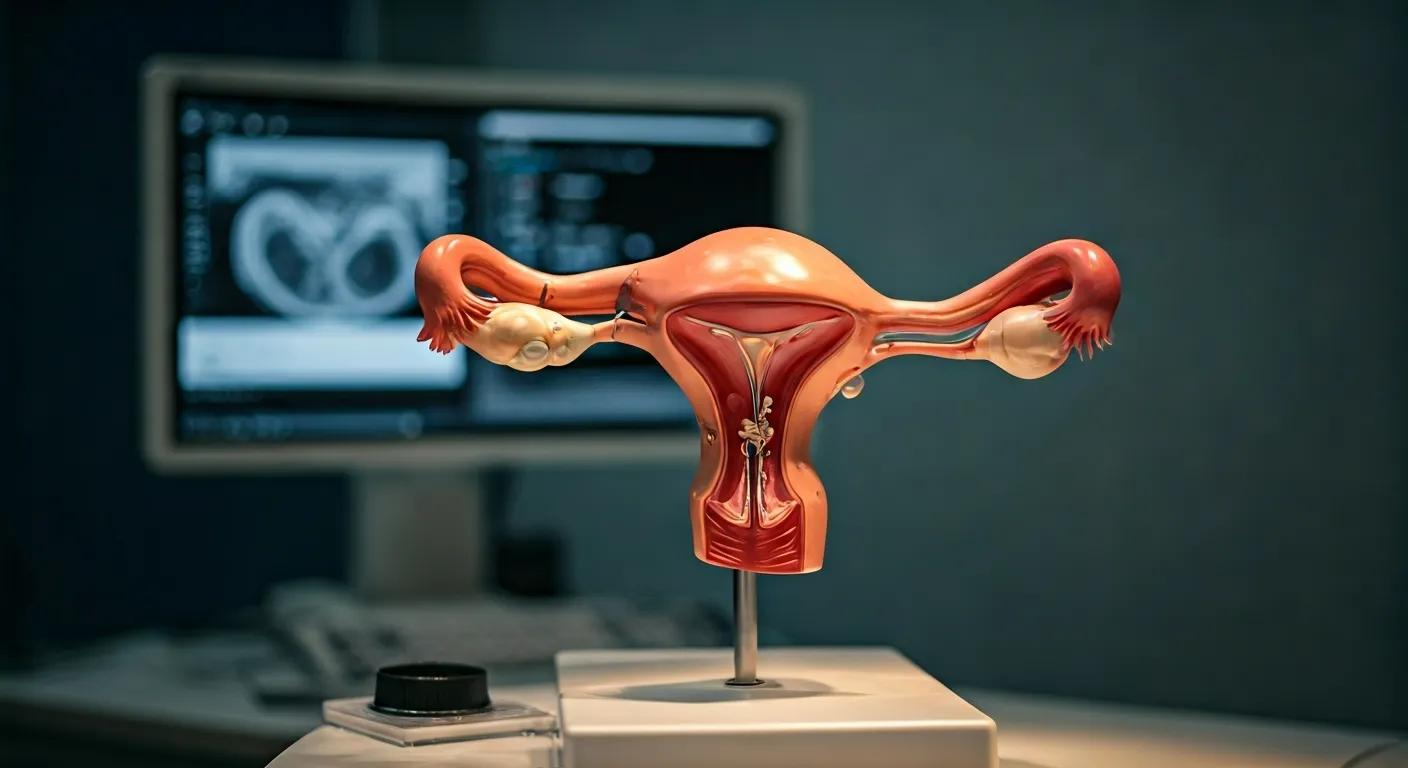
Endometriosis occurs when the tissue that normally lines the uterus grows outside it, causing pain and potentially affecting fertility. Symptoms include painful periods, pelvic pain, and pain during intercourse. Diagnosis may require imaging or laparoscopy, and treatment options include medication, hormonal therapy, or surgery in severe cases.
Fibroids
Uterine fibroids are non-cancerous growths in the uterus that can cause heavy menstrual bleeding, pelvic pain, and pressure on the bladder or bowel. While many women with fibroids may not experience symptoms, those with severe symptoms may require medical management or surgical intervention.
Infertility Issues
Difficulty in conceiving is a common gynecological concern. Causes can include hormonal imbalances, blocked fallopian tubes, ovulation disorders, or age-related factors. Infertility treatment options range from lifestyle changes and medication to assisted reproductive technologies such as IVF.
Menopause-Related Issues
Menopause brings significant hormonal changes, leading to symptoms like hot flashes, mood swings, sleep disturbances, and vaginal dryness. Regular gynecological care during this stage helps manage symptoms and reduce the risk of osteoporosis and cardiovascular problems.

Pelvic Floor Disorders
Pelvic floor disorders, such as pelvic organ prolapse or incontinence, are common, especially after childbirth or with aging. Symptoms include bladder or bowel control issues and pelvic pressure. Pelvic floor exercises, physical therapy, and, in some cases, surgery can help manage these conditions effectively.
Cervical and Ovarian Health
Regular screening for cervical cancer through Pap smears and HPV tests is essential for early detection and prevention. Ovarian cysts or tumors, while often benign, need monitoring to prevent complications. Early gynecological consultation ensures timely diagnosis and treatment.
Conclusion
Gynecological problems are common and can affect women at any stage of life. Menstrual disorders, PCOS, vaginal infections, endometriosis, fibroids, infertility, menopause-related symptoms, pelvic floor disorders, and cervical or ovarian issues are some of the most frequent concerns. Early detection, regular check-ups, and proper medical care are key to managing these conditions and maintaining overall reproductive and general health.