







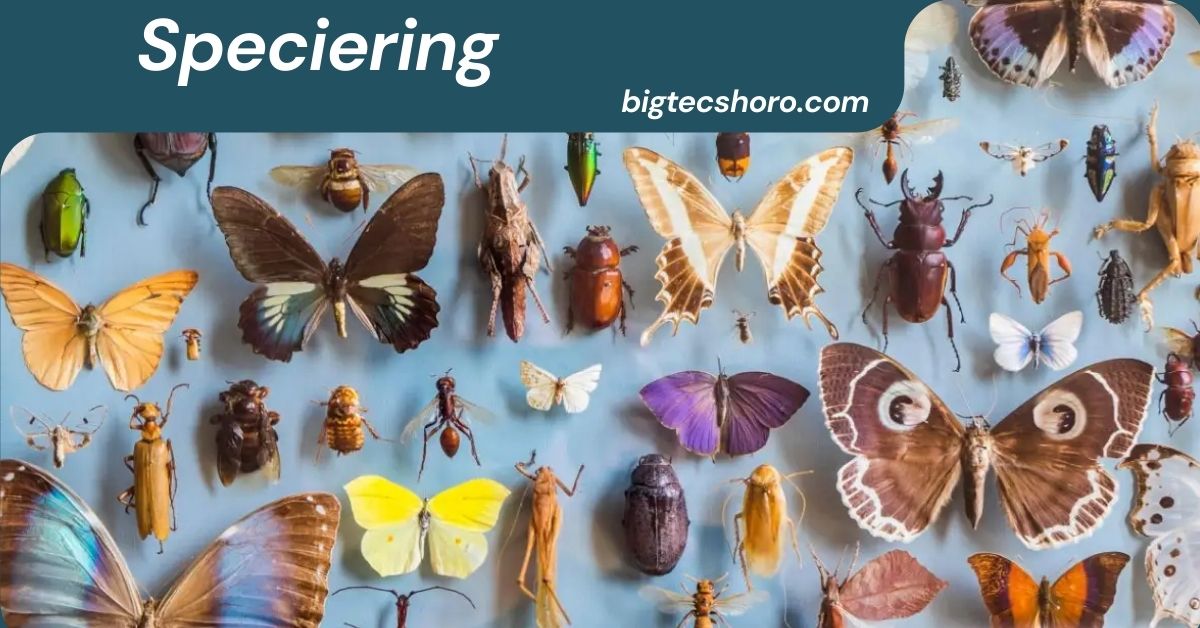

Speciering is one of the most fascinating processes in nature. It explains how new species are created over time. From tiny bacteria to giant animals, every living organism on Earth is part of a long story of speciering. Without speciering, life would not be as diverse and complex as it is today.
- The History and Discovery of Speciering
- Why Speciering Matters in Biology
- The Basic Process of Speciering
- Major Types of Speciering
- Factors That Drive Speciering
- Real World Examples of Speciering
- The Role of Genetics in Speciering
- Speciering and Biodiversity
- Modern Research and Future Insights
- Challenges in Studying Speciering
- Speciering in the Age of Environmental Change
- Human Influence on Speciering
- The Future of Speciering Research
- Frequently Asked Questions About Speciering
- What is the simple meaning of speciering?
- How long does speciering usually take?
- Can speciering happen today?
- What is the difference between evolution and speciering?
- Is speciering always caused by geographic separation?
- Can humans influence speciering?
- Why is speciering important for ecosystems?
- Can two species merge again after speciering?
- How do scientists know when speciering has occurred?
- What organisms experience speciering the fastest?
- Conclusion
Speciering is the process through which populations of organisms change so much that they become separate species. This happens when groups of the same species become isolated and begin to evolve differently. Over many generations, these differences grow larger until the populations can no longer reproduce with each other. At that point, scientists consider them separate species.
The idea of speciering is closely connected to evolution. Evolution describes how living things change across generations, while speciering explains how those changes eventually create entirely new species. Together, these concepts help scientists understand the history of life and the incredible diversity we see today.
In simple terms, speciering is like a tree growing new branches. A single species is the trunk, and when populations separate and evolve differently, they form new branches. Each branch represents a new species with unique traits and characteristics.
Understanding speciering helps researchers study biodiversity, conservation, genetics, and environmental change. It also gives us a deeper appreciation of how life adapts and survives in different environments.
The History and Discovery of Speciering
The concept of speciering became widely known during the 19th century when scientists began studying evolution more deeply. One of the most influential figures in this area was Charles Darwin. His observations of animals and plants during his famous voyage helped shape the early understanding of how species change over time.
Darwin noticed that species living in different environments often developed unique traits. For example, birds on different islands had different beak shapes depending on their food sources. These small differences suggested that species could gradually change and form new ones.
Later scientists expanded Darwin’s ideas using modern tools such as genetics and molecular biology. They discovered that changes in DNA play a key role in speciering. Mutations, genetic drift, and natural selection all influence how populations evolve.



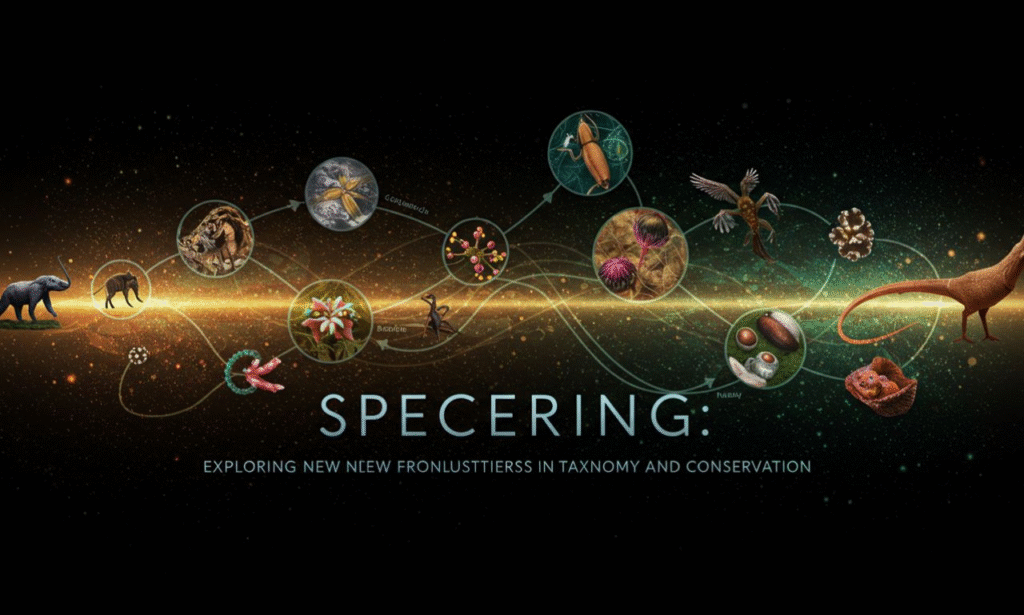
In the 20th century, the study of speciering became more precise. Researchers began analyzing chromosomes, genes, and reproductive systems to understand exactly how species diverge. This led to a deeper understanding of the mechanisms behind the formation of new species.
Today, speciering is studied using advanced technologies such as genome sequencing, ecological modeling, and computer simulations. These tools allow scientists to track evolutionary changes with greater accuracy than ever before.
Why Speciering Matters in Biology
Speciering is important because it explains how life becomes diverse. Without speciering, the planet would have far fewer species, and ecosystems would be less complex.
There are several key reasons why speciering matters in biology.
First, it helps scientists understand biodiversity. Millions of species exist on Earth, and speciering explains how this variety developed over millions of years.
Second, speciering helps researchers study adaptation. As environments change, species must adapt to survive. Speciering often occurs when populations adapt to different environmental conditions.
Third, speciering provides insight into conservation. When scientists understand how species evolve and separate, they can better protect endangered species and preserve ecosystems.
Finally, speciering helps researchers study the history of life. By analyzing how species diverged from common ancestors, scientists can trace evolutionary relationships and build the tree of life.
The Basic Process of Speciering
The process of speciering usually happens slowly over many generations. Although it can vary depending on the species and environment, the basic steps are often similar.
The first step is population separation. A group of individuals becomes isolated from the rest of the species. This separation can happen because of geography, environmental changes, or behavioral differences.
The second step is genetic variation. Over time, the isolated population develops unique genetic traits. These changes may occur through mutations, natural selection, or genetic drift.
The third step is adaptation. The population adapts to its specific environment. Different environments lead to different traits becoming more common.
The final step is reproductive isolation. Eventually, the population becomes so different that it can no longer successfully reproduce with the original species. When this happens, a new species has formed.
This process can take thousands or even millions of years. However, in some cases, speciering can occur more quickly, especially in organisms with short life cycles.
Major Types of Speciering
Scientists have identified several main types of speciering. Each type describes a different way that populations can become separate species.
Allopatric Speciering
Allopatric speciering occurs when populations become separated by physical barriers. These barriers may include mountains, rivers, oceans, or large distances.
When populations are separated, they cannot exchange genes. Over time, each group evolves independently. Eventually, the genetic differences become large enough to create new species.
This type of speciering is considered the most common in nature.
Sympatric Speciering
Sympatric speciering happens when new species form without geographic separation. Instead, populations diverge while living in the same area.
This can occur when groups specialize in different food sources, habitats, or behaviors. Over time, these differences lead to reproductive isolation.
Although sympatric speciering is less common than allopatric speciering, it plays an important role in some ecosystems.
Parapatric Speciering
Parapatric speciering occurs when populations live in neighboring regions but experience different environmental conditions.
In this case, populations are not completely separated, but gene flow between them is limited. Environmental differences cause each population to adapt in different ways, eventually leading to speciering.
Also Read: Cavazaque: A Modern Framework for Adaptive Digital Strategy and Sustainable Business Growth
Peripatric Speciering
Peripatric speciering is similar to allopatric speciering but involves a small population becoming isolated at the edge of a larger population.
Because the isolated group is small, genetic changes can happen more quickly. This may accelerate the speciering process.
Factors That Drive Speciering
Several biological and environmental factors influence how speciering occurs. These forces shape the evolution of populations and guide the formation of new species.
One major factor is natural selection. When certain traits help organisms survive and reproduce, those traits become more common in the population.
Another factor is genetic mutation. Random changes in DNA can introduce new traits. Some of these traits may provide advantages in specific environments.
Genetic drift also plays a role, especially in small populations. Random changes in gene frequencies can cause populations to evolve differently over time.
Environmental changes are another important factor. Climate shifts, habitat changes, and natural disasters can separate populations or create new ecological niches.
Finally, reproductive behavior can influence speciering. Differences in mating signals, breeding seasons, or courtship behaviors may prevent populations from interbreeding.
Real World Examples of Speciering
Many examples of speciering can be found in nature. These cases help scientists understand how the process works in real ecosystems.
One famous example involves birds living on islands. When birds colonize different islands, they experience unique environments. Over time, these populations develop distinct traits and become separate species.
Another example can be found in fish populations living in isolated lakes. Different food sources and habitats can drive rapid speciering in aquatic environments.
Plants also show clear examples of speciering. Some plant species develop new forms through changes in chromosome numbers. This process can create new species relatively quickly.
Insects provide additional examples. Certain insect populations adapt to specific host plants, which can lead to reproductive isolation and the formation of new species.
These real-world cases show that speciering is an active and ongoing process across many forms of life.
The Role of Genetics in Speciering
Genetics is at the center of speciering. Differences in DNA accumulate as populations evolve independently.
Genes control traits such as size, color, behavior, and metabolism. When mutations occur, they introduce new genetic variations into a population.
Over time, natural selection may favor some of these variations. As populations continue to evolve separately, their genetic makeup becomes increasingly different.
Eventually, the genetic differences become large enough to prevent successful reproduction between populations. This genetic incompatibility marks the completion of the speciering process.
Modern genetic research has greatly improved our understanding of how speciering works. By comparing genomes, scientists can estimate when species diverged and identify the genes responsible for key evolutionary changes.
Speciering and Biodiversity
Biodiversity refers to the variety of life forms on Earth. Speciering is the primary driver behind this diversity.
Every ecosystem contains species that evolved through speciering. Forests, oceans, deserts, and grasslands all host unique communities of organisms that adapted to their environments.
When speciering occurs frequently, ecosystems become richer and more complex. New species fill ecological roles such as predators, pollinators, or decomposers.
However, biodiversity can decline if speciering slows or if species go extinct faster than new ones form. Human activities such as habitat destruction and climate change can disrupt natural evolutionary processes.
Protecting biodiversity therefore requires understanding how speciering works and how ecosystems support the formation of new species.
Modern Research and Future Insights
Scientists continue to study speciering using advanced technology and new research methods. Genetic sequencing allows researchers to compare DNA across many species and trace their evolutionary relationships.
Computer models help scientists simulate evolutionary processes and test different speciering scenarios. These tools allow researchers to study long-term changes that would otherwise take millions of years to observe.
Field studies also remain important. By observing populations in nature, scientists can watch early stages of speciering as they happen.
Future research may reveal new mechanisms of speciering that are not yet fully understood. As technology improves, our understanding of evolution and biodiversity will continue to grow.
Challenges in Studying Speciering
Although speciering is widely accepted in biology, studying it can be challenging. The process often takes a very long time, which makes it difficult to observe directly.
Another challenge is identifying when a population has truly become a new species. Different scientific definitions of species can lead to debates among researchers.
Hybridization between species can also complicate the study of speciering. Some species can interbreed even after diverging for long periods, which blurs the boundaries between species.
Despite these challenges, scientists continue to refine methods for studying speciering and understanding evolutionary patterns.
Speciering in the Age of Environmental Change
Today, the planet is experiencing rapid environmental change. Climate shifts, habitat loss, pollution, and human activities are altering ecosystems at an unprecedented rate.
These changes can influence speciering in several ways. Some environments may create new ecological opportunities, encouraging populations to adapt and diverge.
At the same time, many species are facing extinction before they have a chance to evolve further. This loss of species reduces the potential for future speciering.
Conservation efforts aim to protect habitats and maintain healthy populations so that natural evolutionary processes can continue.
Understanding speciering helps scientists predict how species may respond to environmental challenges in the future.
Human Influence on Speciering
Humans have become a powerful force in shaping the evolution of species. Activities such as agriculture, urban development, and global trade influence how populations interact and evolve.
In some cases, human activities can create new environments that drive speciering. For example, urban ecosystems may encourage certain species to adapt to city life.
However, human actions can also reduce genetic diversity and disrupt natural evolutionary processes. Habitat fragmentation can isolate populations in harmful ways, making survival more difficult.
Balancing development with conservation is essential for protecting biodiversity and allowing speciering to continue naturally.
The Future of Speciering Research
The future of speciering research looks promising. New technologies in genetics, artificial intelligence, and ecological modeling are helping scientists study evolution with greater precision.
Researchers are also exploring how speciering interacts with climate change, ecosystem stability, and conservation strategies.
By understanding how species form and evolve, scientists can better protect the natural world and maintain the rich diversity of life on Earth.
Speciering remains one of the most important topics in biology because it explains the origin of every species that exists today.
Frequently Asked Questions About Speciering
What is the simple meaning of speciering?
Speciering is the process through which new species develop from existing populations. It happens when groups of the same species evolve differently over time and eventually become separate species.
How long does speciering usually take?
Speciering often takes thousands or millions of years. However, in organisms with fast reproduction rates, the process can occur much more quickly.
Can speciering happen today?
Yes, speciering is still happening today. Scientists have observed populations that are currently in the early stages of becoming new species.
What is the difference between evolution and speciering?
Evolution refers to changes in organisms over generations, while speciering specifically refers to the formation of new species from existing ones.
Is speciering always caused by geographic separation?
No, geographic separation is only one cause. Speciering can also occur within the same environment when populations adapt to different ecological niches or behaviors.
Can humans influence speciering?
Yes, human activities can influence speciering by altering habitats, creating new environments, or affecting genetic diversity in populations.
Why is speciering important for ecosystems?
Speciering increases biodiversity and helps ecosystems remain balanced. New species often fill important ecological roles that support the stability of the environment.
Can two species merge again after speciering?
In rare cases, closely related species can interbreed and merge genetically. However, once reproductive isolation is strong, this usually does not happen.
How do scientists know when speciering has occurred?
Scientists look for evidence such as genetic differences, reproductive isolation, and distinct ecological roles to determine whether speciering has occurred.
What organisms experience speciering the fastest?
Microorganisms, insects, and plants often experience speciering faster than large animals because they reproduce more quickly and adapt rapidly to environmental changes.
Conclusion
Speciering is one of the most powerful forces shaping life on Earth. It explains how the incredible diversity of species developed and continues to evolve today. Through processes such as natural selection, genetic mutation, and environmental adaptation, populations gradually diverge and form new species.
Understanding speciering allows scientists to explore the history of life, study biodiversity, and develop strategies for conservation. As research continues and technology advances, our knowledge of speciering will grow even deeper.
The story of life is still being written, and speciering remains at the center of that story. Every new species that emerges adds another branch to the tree of life, reminding us that evolution is an ongoing and remarkable process.