






Hormonal balance is essential for women’s overall health, affecting mood, energy levels, metabolism, reproductive function, and sleep. Hormonal imbalances can lead to issues such as irregular periods, weight gain, fatigue, and mood swings. While medical treatments are available, there are natural ways women can support hormonal health. In this article, we will discuss effective strategies to balance hormones naturally.
Maintain a Balanced Diet
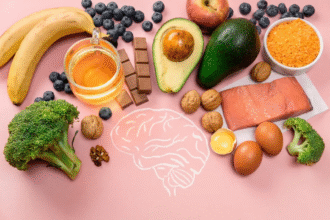
Eating a nutrient-rich diet is crucial for hormonal health. Include a variety of fruits, vegetables, whole grains, lean proteins, and healthy fats. Foods rich in omega-3 fatty acids, like fatty fish, chia seeds, and walnuts, support hormone production. Avoiding processed foods, refined sugar, and excessive caffeine can reduce inflammation and prevent hormone disruptions.
Exercise Regularly
Physical activity helps regulate hormones, maintain a healthy weight, and reduce stress. Cardiovascular exercises, strength training, and yoga are particularly beneficial. Exercise improves insulin sensitivity, balances cortisol levels, and supports reproductive hormones like estrogen and progesterone.
Manage Stress
Chronic stress disrupts hormone balance by increasing cortisol levels. High cortisol can affect sleep, weight, and reproductive health. Stress management techniques such as mindfulness, meditation, deep breathing exercises, and spending time in nature help maintain healthy hormone levels.
Prioritize Sleep
Quality sleep is critical for hormone regulation. Hormones like cortisol, ghrelin, and leptin are influenced by sleep patterns. Aim for 7–9 hours of sleep per night, maintain a consistent sleep schedule, and create a relaxing bedtime routine to support hormonal balance.
Maintain a Healthy Weight
Excess body fat can disrupt hormone production, particularly estrogen and insulin. Maintaining a healthy weight through diet and exercise supports hormonal equilibrium. Weight management helps prevent conditions like polycystic ovary syndrome (PCOS), thyroid imbalances, and metabolic disorders.
Include Hormone-Friendly Foods
Certain foods help support hormonal health naturally:
- Cruciferous Vegetables – Broccoli, cauliflower, and Brussels sprouts aid estrogen metabolism.
- Fiber-Rich Foods – Whole grains, legumes, and vegetables promote healthy digestion and hormone excretion.
- Fermented Foods – Yogurt, kefir, and kimchi support gut health, which is closely linked to hormone regulation.
Limit Exposure to Endocrine Disruptors
Chemicals in plastics, pesticides, and certain personal care products can interfere with hormones. Reduce exposure by using BPA-free containers, choosing organic produce, and avoiding harmful chemicals in cosmetics and cleaning products.

Herbal Supplements
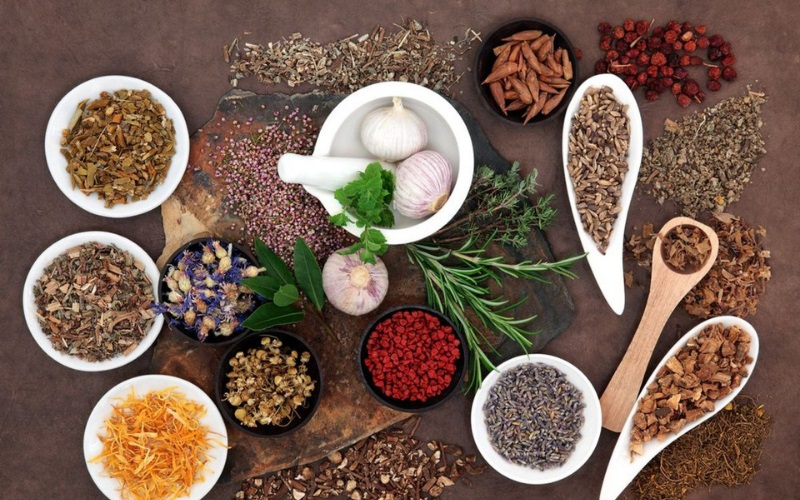
Certain herbs have been shown to support hormonal health:
- Maca Root – Supports adrenal and reproductive hormone balance.
- Ashwagandha – Reduces cortisol and helps combat stress.
- Vitex (Chasteberry) – Can help regulate menstrual cycles and support progesterone levels.
Consult a healthcare provider before starting any herbal supplements.
Conclusion
Balancing hormones naturally involves a holistic approach, including a nutrient-rich diet, regular exercise, stress management, adequate sleep, maintaining a healthy weight, hormone-friendly foods, reducing exposure to endocrine disruptors, and, when appropriate, herbal supplements. By adopting these lifestyle habits, women can support their hormonal health, improve energy levels, and maintain overall well-being.