





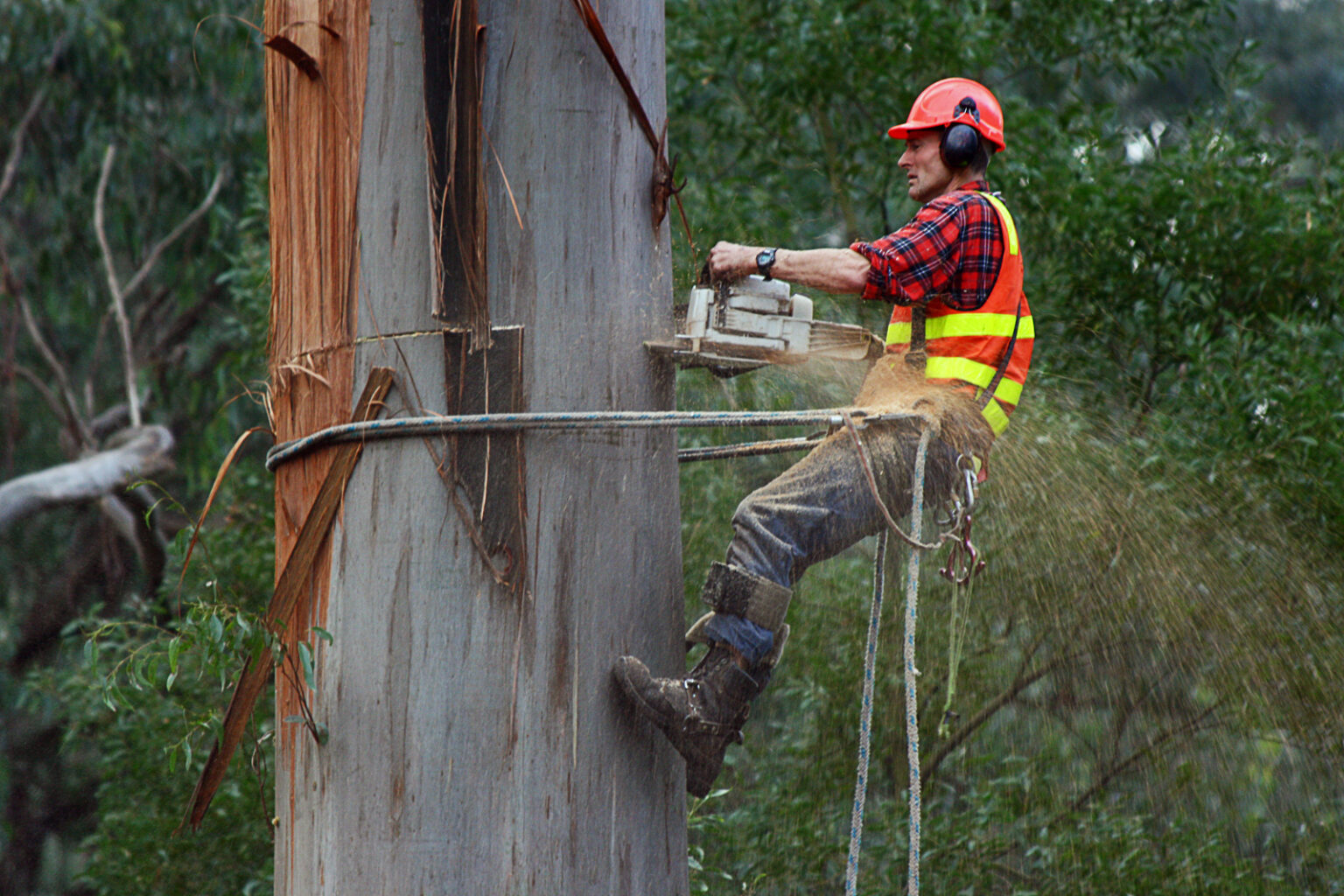

An arborist provides specialized care to preserve individual trees and shrubs. They evaluate a homeowner’s landscape and diagnose hidden diseases before they cause irreversible structural decay. Here is more information on the role of arborists in education and outreach:
Evaluating Property Health
Arborists meet with homeowners during on-site property evaluations. As they walk the landscape, they identify environmental stressors such as compacted soil, poor drainage, and root-zone disturbances. The discussion focuses on site conditions and their effects on tree health. The arborist then examines the trunk and branches for signs of structural weakness or decline. Evidence of insect activity, canopy dieback, or other health issues prompts a detailed explanation of the underlying causes and potential consequences.
Diagnosing Active Diseases
Tree doctors diagnose active diseases and identify the pathogens affecting tree health before symptoms become widespread. When a disease appears on a leaf, they explain how the pathogen infects plant tissue and spreads through the tree. They also describe the early warning signs associated with infection, allowing homeowners to recognize changes in tree condition.
The diagnostic process includes an examination of the tree’s bark, canopy structure, and vascular system. If vascular wilt disease is present, the arborist points out internal staining linked to restricted water movement. Although symptoms sometimes appear on a single branch, pathogens often move through other parts of the tree as the disease progresses. During discussions with the homeowner, the arborist explains the pattern of spread and the factors involved in disease development. After identifying the illness, the specialist outlines treatment methods and management practices intended to limit further spread.
Teaching Soil Principles
Arborists discuss soil conditions during property evaluations because root health is closely connected to overall tree development. When examining a yard, they explain how soil compaction affects root growth by reducing pore space within the ground. Compacted soil also limits air exchange and slows water movement through the root zone. Heavy construction activity and frequent foot traffic often contribute to soil compaction. As soil particles become more densely packed, root expansion becomes more difficult. In many urban settings, soil contains less organic material than forest soils, which affects structure and nutrient availability. During these discussions or outreach programs, the arborist explains practices such as deep root aeration and their role in addressing compaction. After reviewing site conditions, the specialist may outline treatments that include deep root fertilization and other soil management measures.
Explaining Species Selection
Planting your trees in a favorable location prevents landscape problems from developing over time. Experts guide clients on sapling selection based on how the plant’s mature size will interact with nearby houses. When evaluating your yard, the tree doctor assesses environmental conditions such as regional climate and sunlight exposure. This helps them determine whether a particular tree will thrive or decline. Teaching species selection entails showing residents how to match a tree’s biological needs with the limitations of their soil. To help homeowners choose appropriate yard vegetation, tree specialists are able to teach people how to evaluate these factors during outreach sessions:
- Underground root space
- Wind exposure
- Water availability
Illustrating Pest Damage
Tree maintenance experts explain the signs associated with insect activity during property evaluations. They show homeowners how pests feed on different parts of the tree and describe the effects that infestations have on tree health over time. The discussion often focuses on visible symptoms as well as damage that develops beneath the bark or within internal tissues. If wood-boring beetles infest a trunk, they create tunnels within the wood as they feed and develop; this activity disrupts the movement of water and nutrients through affected tissues. The arborist points out evidence of infestation and explains how the damage relates to changes in canopy condition and branch growth.
Learn More About Arborists
Through outreach programs, arborists educate homeowners about seasonal pest management practices and common treatment schedules. They explain application methods, discuss timing factors, and describe how dormant oils are used to target insect eggs during specific stages of the pest life cycle. Contact a reputable arborist to learn more about their services.