









When you search for “how long do dermatologist appointments take,” you want clear expectations, reassurance, and practical information that applies to real life. If you’re in the United States and planning a visit to a skin specialist, knowing how much time to set aside helps reduce stress and makes the experience smoother. Dermatology deals with the largest human organ—your skin—and a wide range of conditions from acne to melanoma. Skin concerns often feel personal, and efficient appointments help you get answers without feeling rushed.
- Why Appointment Duration Matters
- Typical Duration of a Standard Dermatology Visit
- Factors That Influence Appointment Length
- Breakdown of Different Dermatology Appointment Types
- What Happens During a Dermatologist Appointment
- Why Some Appointments Take Longer Than Others
- Tips to Make Your Dermatologist Appointment Efficient and Effective
- Insurance, Billing, and Time Considerations
- Dermatology Appointment Costs vs Time Spent
- Teledermatology: A Time‑Saving Alternative
- Common Myths About Dermatologist Appointment Times
- What to Expect After Your Dermatology Appointment
- Realistic Expectations for Different Patient Groups
- Final Thoughts on “How Long Do Dermatologist Appointments Take”
- FAQs About Dermatologist Appointment Lengths
- What is a typical dermatologist appointment length for a first‑time visit?
- Can you ask multiple questions in one appointment?
- Do teledermatology visits take less time than in‑office visits?
- If I need a biopsy, how much extra time should I expect?
- Why do follow‑up visits usually take less time?
- Does insurance affect how long appointments take?
- Should I arrive early to my appointment?
- Can children have longer dermatologist appointments?
- What should I bring to make the appointment efficient?
This article goes beyond basic time estimates. It explains why appointment lengths vary, what happens during your visit, how to prepare, and tricks to make your dermatologist appointment as productive as possible. We will also cover follow‑up care, telehealth options, insurance considerations, and detailed FAQs designed to answer questions not typically found in simple search results.
By the end of this article, you will understand not just “how long do dermatologist appointments take” but also what happens during that time and how to make the most of your visit.
Why Appointment Duration Matters
First, it’s important to understand why so many people ask “how long do dermatologist appointments take.” Time influences scheduling, work planning, childcare arrangements, and travel. Patients want to know what they are committing to when they book an appointment. Unlike a quick visit to urgent care or an express clinic, dermatology appointments can vary widely based on the reason for your visit.
Some skin concerns are straightforward and quick to assess. Others require in‑depth examination, procedures, or discussions about treatment plans. The quality of the visit is often more important than the exact number of minutes. Dermatologists balance thorough care with efficient use of time.
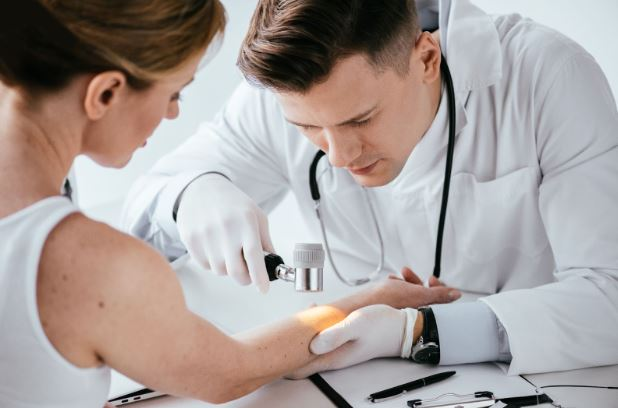
Understanding appointment length also helps patients manage expectations. Knowing that a cosmetic consultation may take longer than a routine check helps you plan hydration, snacks, or transportation. Being informed ahead of time strengthens the patient‑doctor relationship and improves satisfaction.
Typical Duration of a Standard Dermatology Visit
When people wonder “how long do dermatologist appointments take,” they are usually referring to a standard, in‑office visit. For many patients, this baseline visit is:
• 10 to 20 minutes for a routine exam
• 15 to 30 minutes if there are multiple concerns
• 30 minutes or more for complex conditions


Routine visits are usually shorter. They involve reviewing your history, examining the areas of concern, and recommending treatment. If nothing complicated arises, 10 to 15 minutes may be sufficient.
However, longer visits are common. If your dermatologist needs to examine your entire body, discuss a chronic condition like psoriasis, or talk about cosmetic procedures, your appointment could be up to 30 minutes or more. Many patients ask “how long do dermatologist appointments take” and are surprised that even straightforward visits can feel comprehensive.
Factors That Influence Appointment Length
Several factors determine exactly “how long do dermatologist appointments take.” Recognizing these helps you anticipate time and plan accordingly.
- Type of Visit
Routine check‑ups are shorter. Procedural visits are longer.
A mole check differs from a biopsy follow‑up or acne consultation. - Complexity of Your Skin Concern
Simple rashes or acne might be quick. Serious conditions like eczema, autoimmune skin disorders, or skin cancer evaluations take more time. - Number of Areas Evaluated
If the dermatologist needs to look at multiple body sites, this naturally extends the appointment. - Patient Questions and History
Patients with longer medical histories or detailed questions usually need more time. - Insurance and Documentation
Time spent on paperwork or insurance verification can add a few minutes. - Practice Setting
Some clinics run on a tight schedule with shorter visits. Academic or specialized clinics might allow more time. - Telehealth vs In‑Office
Virtual visits are usually shorter than in‑person exams but still vary.
Understanding these factors will help you set realistic expectations and schedule appointments that match your needs.
Also Read: Myreadignamga: The Popular Online Manga Reading Platform
Breakdown of Different Dermatology Appointment Types
To answer “how long do dermatologist appointments take” accurately, let’s explore the most common appointment types and their typical durations.
Routine Skin Check or Consultation
• Purpose: General skin evaluation, check moles, discuss minor concerns
• Duration: About 10 to 20 minutes
• What Happens:
• Review health history
• Visual skin exam
• Brief discussion and treatment plan
Routine exams are often the shortest. If you come in for a single issue and it’s straightforward, this is usually enough time.
Acne or Hair/Nail Concern Visits
• Purpose: Assess acne, hair loss, fungal infections, or similar conditions
• Duration: 15 to 30 minutes
• What Happens:
• Detailed review of symptoms
• Treatment recommendations
• Possible prescriptions or lifestyle advice
For conditions that require discussion of long‑term treatment plans, expect more time than a quick mole check.
Skin Cancer Evaluations
• Purpose: Evaluate suspicious spots or lesions
• Duration: 20 to 45 minutes
• What Happens:
• Full skin evaluation
• Dermatoscope examination (magnified skin scope)
• Biopsy if indicated
These visits often take longer because dermatologists need to be thorough, especially if skin cancer is a concern.
Procedures and Treatments
Minor procedures extend appointment time:
• Biopsies: 30 to 45 minutes
• Cryotherapy (freeze treatment): 10 to 20 minutes
• Mole removal: 30 to 60 minutes
• Cosmetic injections (Botox, fillers): 15 to 45 minutes
When a procedure is planned, documentation and consent also take time.
Follow‑Up Visits
• Purpose: Check treatment progress
• Duration: 10 to 15 minutes
• What Happens:
• Re‑examination
• Adjust treatment if needed
Follow‑ups are usually shorter but still valuable for monitoring your condition and adjusting care.
Telehealth Dermatology Visits
Telehealth has become popular. Many dermatologists offer virtual visits for follow‑up consultations or mild conditions.
• Duration: 10 to 20 minutes
• What Happens:
• Video or photo review of your condition
• Discussion and treatment plan
• Prescription emailed to pharmacy
Telehealth is efficient but not always suitable for conditions that need hands‑on assessment.
What Happens During a Dermatologist Appointment
If you’re wondering “how long do dermatologist appointments take,” it helps to know what happens step by step. Understanding the process makes the time feel more predictable.
Step 1: Check‑In and Paperwork
At the office, you’ll check in, confirm personal details, and fill out forms about your medical history and current concerns. This can take 5 to 10 minutes.
If you arrive early and complete forms online, this step goes faster.
Step 2: Waiting Time
Like most medical offices, there may be some waiting. Efficient practices minimize wait times, but delays can happen if earlier appointments run longer.
Step 3: Initial Discussion
You’ll discuss your concern with the dermatologist or nurse practitioner. They will ask questions about symptoms, duration, triggers, and previous treatments.
This conversation sets the stage for the examination.
Step 4: Physical Examination
Your dermatologist will examine the affected areas. For a full body skin check, this can take longer. Dermatologists are trained to spot subtle signs of skin conditions.
Step 5: Diagnostic Tests
If needed, the dermatologist might perform a biopsy (removing a small piece of tissue) or other tests. These procedures add time, usually 15 to 30 minutes or more.
Step 6: Treatment Planning
After the examination, your dermatologist will explain findings and recommend treatment. This includes medications, lifestyle tips, follow‑up appointments, or procedures.
Step 7: Check‑Out and Scheduling
At the end, you’ll check out, get prescriptions, and schedule follow‑ups if needed. Explaining how to use treatments or manage symptoms can take extra minutes.
Also Read: TheHRWP: The HR Platform Transforming Modern Workforce Management
Why Some Appointments Take Longer Than Others
Even with similar complaints, two people’s appointments can vary. Here are reasons some visits take longer than others:
• Multiple skin concerns discussed at once
• Detailed full‑body skin checks
• Complex conditions needing in‑depth analysis
• Patient questions and education time
• Additional procedures done in the same visit
• Insurance documentation or pre‑authorization issues
If you wonder “how long do dermatologist appointments take,” it helps to know that complex or comprehensive visits naturally last longer because quality care takes time.
Tips to Make Your Dermatologist Appointment Efficient and Effective
Getting the most out of your time with a skin specialist is important. Here are tips that help both you and your dermatologist stay on track:
Prepare Your Medical History
Bring a list of medications, previous diagnoses, and any allergies. This avoids delays and ensures informed recommendations.
Write Down Your Symptoms
Before the appointment, write your concerns, when they started, and what makes them better or worse. This helps the dermatologist quickly understand your condition and reduces repeated explanations.
Prepare Questions Ahead of Time
If you’re asking “how long do dermatologist appointments take,” you’re likely investing in your care. Write questions ahead of time so you don’t forget them during the visit.
Bring Photos of Your Condition
For intermittent issues (rashes that come and go), photos can help your dermatologist evaluate trends, especially in telehealth visits.
Arrive Early
Checking in 10 minutes before your scheduled time reduces stress and gives you a buffer for paperwork.
Use Telehealth When Appropriate
For follow‑ups or simple concerns, telehealth visits save time without compromising care.
Be Honest About Symptoms
Dermatologists can only help if they fully understand what you’re experiencing. Clear communication improves diagnosis and shortens unnecessary back‑and‑forth.
Insurance, Billing, and Time Considerations
Insurance can affect scheduling and time spent during your visit. Many dermatologists need to verify insurance prior to care. Occasionally, insurance pre‑approval for procedures adds time to your visit.
If a dermatologist cannot perform a procedure due to insurance restrictions, this can extend appointment time as alternatives are discussed.
Private pay or cosmetic visits often follow different scheduling and are sometimes allotted more time.
Dermatology Appointment Costs vs Time Spent
Many patients equate time with value. While longer visits often provide more detailed evaluation or procedures, shorter visits can be efficient and effective when concerns are straightforward.
Insurance visits that are covered may still be limited by time constraints, while cosmetic consultations (not covered by insurance) can be longer and more personalized.
Teledermatology: A Time‑Saving Alternative
Teledermatology has changed how people think about “how long do dermatologist appointments take.” For many routine follow‑ups, prescription adjustments, and simple rashes, a virtual visit can be completed in under 15 minutes.
Virtual dermatology is ideal when:
• You live far from the clinic
• Your concern does not require hands‑on examination
• You want a quick follow‑up after a previous in‑office visit
However, remember that serious conditions often require an in‑person assessment.
Also Read: Speciering: How New Species Form and Shape Life on Earth
Common Myths About Dermatologist Appointment Times
There are misconceptions that dermatologists always take a long time or that short appointments mean rushed care. Here’s the reality:
• Short visits can still be thorough
• Long visits do not always mean a serious problem
• Time spent depends on your needs, not on arbitrary standards
• Telehealth can be just as effective for many concerns
Understanding these myths helps you approach your visit with realistic expectations.
What to Expect After Your Dermatology Appointment
Knowing “how long do dermatologist appointments take” also means understanding what happens afterward.
• Prescriptions — You may receive prescriptions electronically. Pick them up or request mail delivery.
• Follow‑Up Visits — Your dermatologist may schedule a follow‑up to monitor progress.
• Biopsy Results — If a biopsy was performed, results can take 1 to 2 weeks, and a follow‑up visit may be needed.
• Treatment Adjustments — As your skin responds to treatment, your dermatologist may adjust your plan in future visits.
Being prepared for next steps helps you stay engaged in your care and keeps future appointments efficient.
Realistic Expectations for Different Patient Groups
Different people experience dermatology visits differently.
Adults With Chronic Conditions
People with acne, eczema, or psoriasis may have longer and more frequent appointments because these conditions require monitoring and treatment adjustments.
Patients With Suspicious Lesions
If skin cancer is suspected, expect more detailed exams and possible biopsies.
Cosmetic Patients
Cosmetic dermatology often involves personalized consultations that take more time to ensure patient satisfaction and aesthetic outcomes.
Children and Dermatology Visits
Children may need more time as dermatologists take extra care to explain procedures in a child‑friendly way and reassure parents.
Final Thoughts on “How Long Do Dermatologist Appointments Take”
Ultimately, there is no single answer to “how long do dermatologist appointments take.” Visits vary based on your concerns, medical history, and the type of care needed. Most standard visits last between 10 and 30 minutes, while complex evaluations, procedures, or cosmetic consultations can take 45 minutes or more.
The key is understanding what you need and communicating clearly with your dermatologist. Planning ahead, preparing questions, and knowing what to expect will make your appointment efficient and satisfying.
FAQs About Dermatologist Appointment Lengths
What is a typical dermatologist appointment length for a first‑time visit?
First‑time visits often take longer, around 20 to 30 minutes, because your dermatologist will review your history and perform a thorough examination.
Can you ask multiple questions in one appointment?
Yes, but more questions usually lengthen the appointment. Prioritize your concerns and be concise.
Do teledermatology visits take less time than in‑office visits?
Generally yes; telehealth appointments often last 10 to 20 minutes.
If I need a biopsy, how much extra time should I expect?
Biopsies typically add 15 to 30 minutes or more depending on location and complexity.
Why do follow‑up visits usually take less time?
Follow‑ups focus on progress and adjustments, which are often quicker than initial evaluations.
Does insurance affect how long appointments take?
Insurance rarely shortens your exam time, but time may be spent on verification and documentation.
Should I arrive early to my appointment?
Yes. Arriving 10 minutes early helps complete paperwork and reduces stress.
Can children have longer dermatologist appointments?
Yes; extra time may be needed to ensure comfort and understanding.
What should I bring to make the appointment efficient?
Bring a list of symptoms, medications, medical history, and any relevant photos of your skin condition.