







Acne is one of the most common skin conditions affecting people of all ages. It occurs when hair follicles become clogged with oil, dead skin cells, and bacteria, leading to pimples, blackheads, or cysts. While over-the-counter products can help mild cases, persistent or severe acne often requires professional intervention. A dermatologist can provide effective treatment tailored to your skin type and condition.
Understanding Acne
Acne develops when excess sebum production, clogged pores, bacteria, and inflammation interact. Hormonal fluctuations, stress, diet, genetics, and environmental factors can worsen acne. Without proper care, acne can lead to scarring, pigmentation, and long-term skin damage.
Accurate Diagnosis
A dermatologist begins by examining your skin and understanding your medical history, lifestyle, and previous treatments. They determine the type of acne—mild, moderate, or severe—and identify underlying factors such as hormonal imbalances, stress, or medications that may contribute to breakouts. Accurate diagnosis is the first step in effective treatment.
Prescription Medications
Dermatologists can prescribe medications that target acne more effectively than over-the-counter options:
- Topical Treatments – Retinoids, antibiotics, or benzoyl peroxide creams reduce inflammation, unclog pores, and fight bacteria.
- Oral Medications – Antibiotics, hormonal treatments like birth control pills, or isotretinoin may be recommended for severe or resistant acne.
- Combination Therapy – Often, dermatologists use a combination of topical and oral medications to achieve better results.
Professional Procedures
Certain dermatological procedures can accelerate acne treatment:
- Chemical Peels – Remove dead skin cells, unclog pores, and improve skin texture.
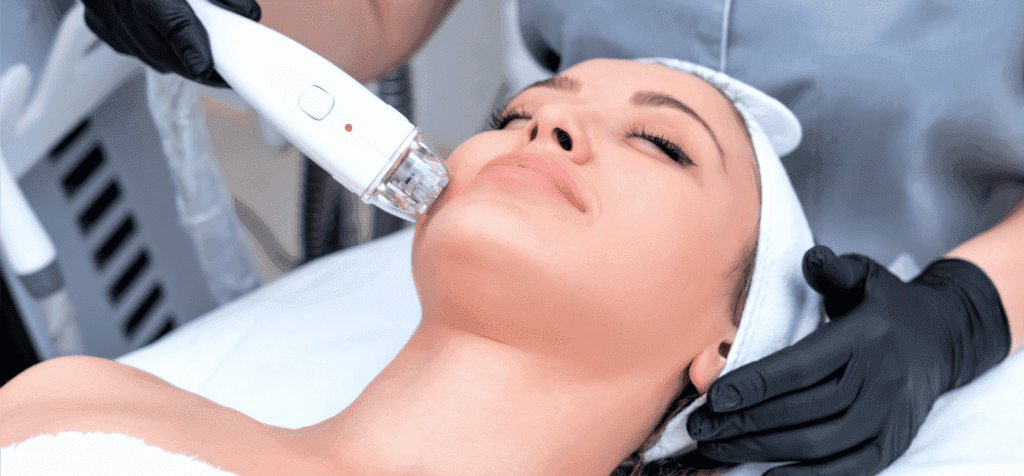
- Laser Therapy – Reduces bacteria and inflammation while minimizing scarring.
- Extraction Treatments – Dermatologists can safely remove blackheads and whiteheads, preventing further irritation or infection.
Personalized Skincare Recommendations
A dermatologist provides guidance on suitable skincare routines and products for your skin type. They can recommend cleansers, moisturizers, and sunscreens that help prevent breakouts without causing dryness or irritation. Personalized advice ensures better long-term results.
Monitoring and Follow-Up
Acne treatment often requires time and patience. Dermatologists schedule follow-ups to monitor progress, adjust medications, and address any side effects. Continuous professional supervision ensures the treatment remains effective and minimizes potential complications.
Addressing Acne Scars and Hyperpigmentation
Post-acne scars and dark spots are common concerns. Dermatologists offer treatments such as microneedling, laser therapy, or chemical peels to reduce scarring and even out skin tone. Early intervention can prevent permanent skin damage and improve confidence.
Education and Lifestyle Advice
Dermatologists educate patients about acne triggers, proper hygiene, diet, and habits that may affect skin health. Lifestyle guidance, combined with medical treatment, enhances the effectiveness of acne management.
Conclusion
A dermatologist plays a crucial role in treating acne effectively by providing accurate diagnosis, prescription medications, professional procedures, personalized skincare guidance, and follow-up care. Their expertise ensures that acne is managed safely and efficiently, preventing scarring and promoting healthier skin. Consulting a dermatologist is the most reliable way to achieve long-term acne control and maintain clear, radiant skin.