







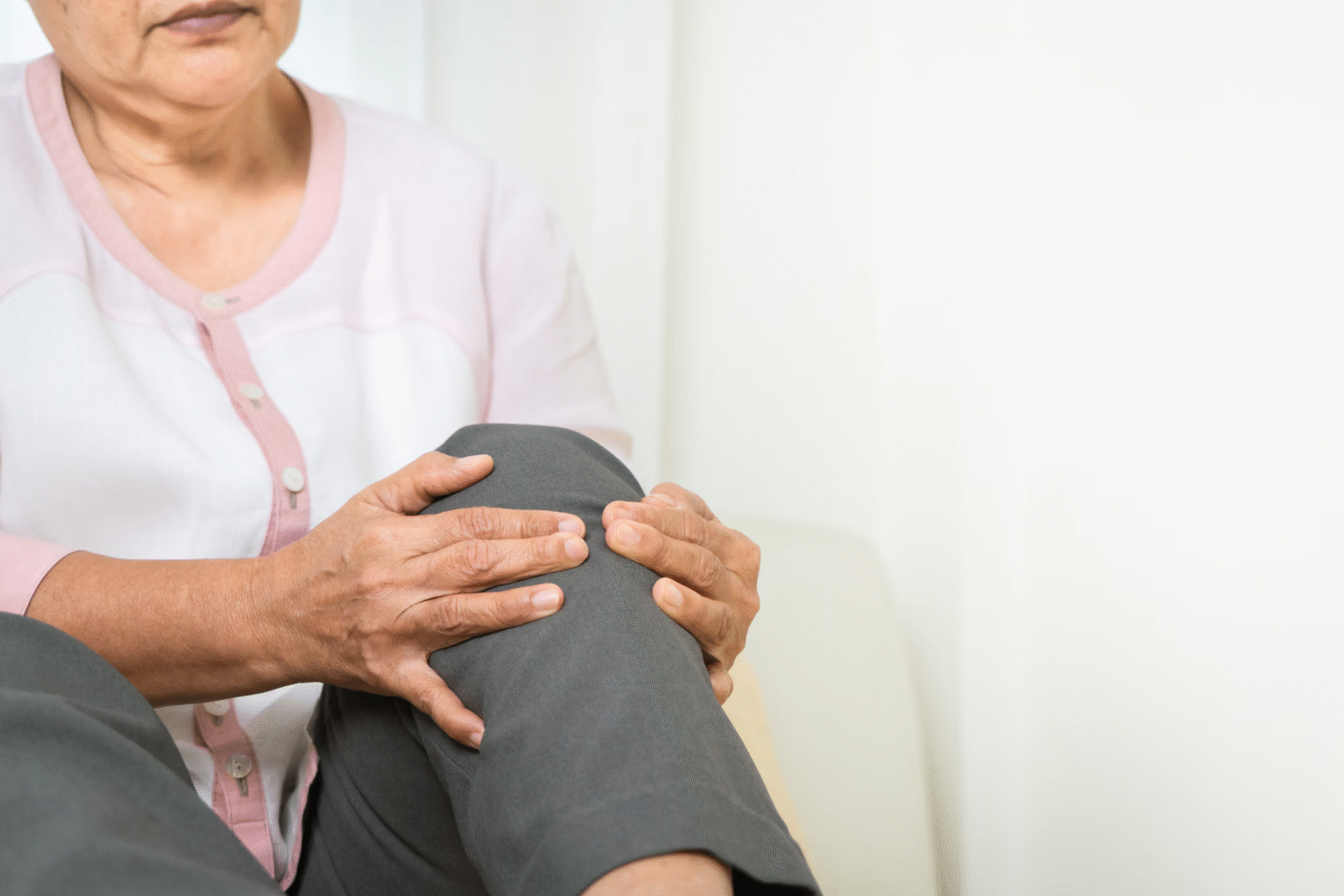

Osteoporosis is a condition characterized by weak and brittle bones, increasing the risk of fractures and bone-related complications. Women, especially after menopause, are at a higher risk due to decreased estrogen levels, which play a key role in maintaining bone density. Detecting early signs of osteoporosis is crucial for prevention and effective management. In this article, we will explore the early signs of osteoporosis in women.
Understanding Osteoporosis
Osteoporosis occurs when the body loses too much bone, makes too little bone, or both. Bone is a living tissue that constantly renews itself. When the creation of new bone does not keep up with the loss of old bone, bones become weak and fragile. Early detection helps prevent fractures and maintain mobility.
Frequent Back Pain
One of the earliest signs of osteoporosis is persistent or sudden back pain. This may result from vertebral fractures or compression in the spine caused by weakened bones. Chronic pain or discomfort in the upper or lower back should prompt a medical evaluation.
Loss of Height Over Time
Gradual loss of height can indicate spinal compression fractures, which are common in osteoporosis. Women who notice a decrease in height over a short period should consult a healthcare professional for bone density testing.
Posture Changes
Osteoporosis may cause a stooped or hunched posture, known as kyphosis. This occurs when weakened vertebrae collapse, leading to a curvature of the upper spine. Early recognition of posture changes is important to prevent further spinal damage.
Bone Fractures from Minor Injuries
Weak bones are more prone to fractures, even from minor falls or injuries. Women experiencing frequent fractures in the wrist, hip, or spine without significant trauma should be evaluated for osteoporosis.
Brittle or Weak Nails
Although not always a primary symptom, brittle nails can indicate low bone density. Nails and bones share similar structural proteins, and poor bone health may manifest in nail strength.
Dental Issues
Jawbone loss or gum recession may be early indicators of bone density problems. Weakened bones in the jaw can affect dental health, leading to loose teeth or difficulty with dental procedures.


Fatigue and Muscle Weakness
Osteoporosis can lead to muscle weakness due to reduced physical activity caused by bone pain or fractures. Fatigue and a lack of strength may indirectly signal declining bone health.
Risk Factors to Watch
In addition to symptoms, certain factors increase the risk of osteoporosis:
- Postmenopausal women
- Family history of osteoporosis
- Low calcium or vitamin D intake
- Sedentary lifestyle
- Smoking or excessive alcohol consumption
Importance of Early Detection
Early detection through bone density tests (DEXA scans) allows for timely interventions. Lifestyle changes, proper nutrition, exercise, and, when necessary, medication can slow bone loss and reduce fracture risk.
Conclusion
Osteoporosis often develops silently, but early signs such as back pain, height loss, posture changes, frequent fractures, brittle nails, dental issues, and muscle weakness can indicate declining bone health. Women, particularly those post-menopause, should be vigilant about these symptoms and seek timely evaluation. Early detection and proactive management, including nutrition, exercise, and lifestyle adjustments, can maintain bone strength and prevent serious complications.