







Vitamins play a crucial role in maintaining overall health, and for women, specific nutrients are essential to support hormonal balance, bone strength, immunity, and reproductive health. A deficiency in key vitamins can lead to fatigue, weakened immunity, and other health complications. In this article, we will explore the most important vitamins for women’s health and their benefits.
Vitamin D
Vitamin D is essential for calcium absorption, promoting strong bones and reducing the risk of osteoporosis. It also supports immune function and can improve mood. Women who get limited sun exposure or have darker skin tones may be at higher risk of vitamin D deficiency. Sources include sunlight, fortified dairy products, fatty fish, and supplements if needed.
Vitamin B12
Vitamin B12 supports energy production, red blood cell formation, and proper nerve function. A deficiency can lead to fatigue, weakness, and cognitive issues. B12 is especially important for women following a vegetarian or vegan diet, as it is primarily found in animal products like eggs, fish, and dairy.
Folate (Vitamin B9)
Folate is vital for women of reproductive age, as it reduces the risk of neural tube defects during pregnancy. It also supports DNA synthesis, red blood cell formation, and overall cellular function. Folate-rich foods include leafy greens, legumes, citrus fruits, and fortified cereals.
Vitamin C
Vitamin C is a powerful antioxidant that boosts immunity, promotes collagen production for healthy skin, and aids in wound healing. It also helps in the absorption of iron from plant-based foods. Citrus fruits, strawberries, bell peppers, and broccoli are excellent sources of vitamin C.
Vitamin E
Vitamin E is an antioxidant that protects cells from oxidative stress and supports skin, hair, and reproductive health. Nuts, seeds, spinach, and vegetable oils are rich in vitamin E. This vitamin also plays a role in hormone regulation and maintaining cardiovascular health.
Vitamin K
Vitamin K is essential for blood clotting and bone health. A deficiency can lead to excessive bleeding and weakened bones. Leafy green vegetables, broccoli, and fermented foods are good sources of vitamin K.
Calcium
While not a vitamin, calcium works closely with vitamin D to maintain bone strength. Adequate calcium intake reduces the risk of osteoporosis and supports muscle function. Dairy products, fortified plant-based milks, and leafy greens provide essential calcium for women.

Iron
Iron is another crucial nutrient for women, particularly during menstruation, pregnancy, and lactation. It supports red blood cell production and prevents anemia. Iron-rich foods include lean meats, lentils, beans, and spinach. Pairing iron with vitamin C-rich foods enhances absorption.
Omega-3 Fatty Acids
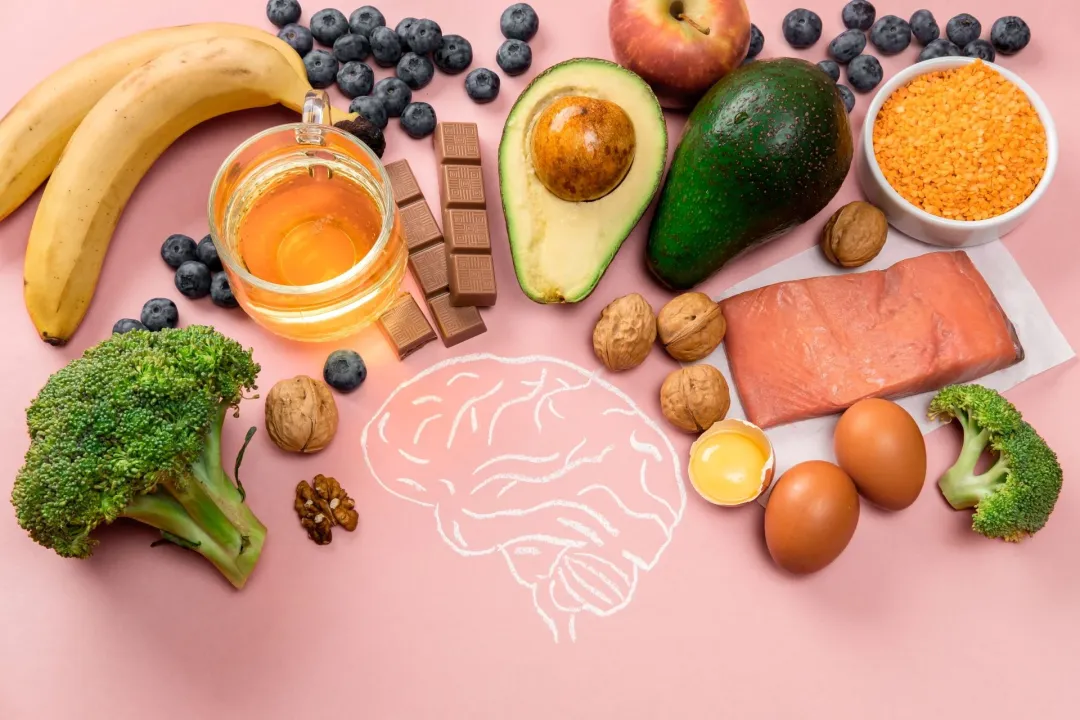
Omega-3s support heart health, brain function, and hormonal balance. Fatty fish, flaxseeds, chia seeds, and walnuts are excellent sources. Omega-3s also help reduce inflammation and may alleviate menstrual discomfort.
Conclusion
For women, maintaining adequate intake of vitamins and essential nutrients is critical for overall health, hormonal balance, immunity, and reproductive well-being. Key vitamins include vitamin D, B12, folate, C, E, K, along with calcium, iron, and omega-3 fatty acids. A balanced diet rich in these nutrients, combined with proper lifestyle habits, ensures optimal health and helps prevent deficiencies and related health issues.