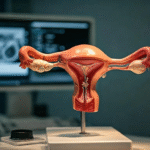









Regular visits to a gynecologist are essential for maintaining reproductive health and preventing potential health issues. Many women tend to delay or skip appointments until a problem arises, but routine check-ups can help detect conditions early and ensure overall well-being. In this article, we will discuss how often women should visit a gynecologist and why these visits are important.
Importance of Regular Gynecological Visits
Gynecological check-ups allow healthcare providers to monitor reproductive health, identify abnormalities, and provide preventive care. These visits include screenings, physical exams, and discussions about menstrual health, contraception, fertility, and menopause. Early detection of issues such as infections, hormonal imbalances, and cancers can significantly improve treatment outcomes.
Recommended Frequency
For most women, it is recommended to visit a gynecologist at least once a year. Annual check-ups help ensure routine screenings like Pap smears, breast exams, and pelvic exams are conducted on time. Younger women or those with no significant health concerns may require fewer visits, while women with chronic conditions, pregnancy, or other reproductive health issues may need more frequent consultations.
During Adolescence
Teenage girls should have their first gynecological visit between the ages of 13 and 15, or earlier if they experience menstrual irregularities, pain, or other concerns. These visits focus on education about menstruation, sexual health, hygiene, and preventive care, laying the foundation for lifelong reproductive health.
During Reproductive Years
Women in their 20s and 30s should continue annual visits for screenings, contraceptive counseling, fertility planning, and monitoring menstrual health. Regular gynecological care during reproductive years ensures timely detection of infections, ovarian cysts, and other conditions that may affect fertility or overall well-being.
During Pregnancy
Pregnant women require more frequent visits to monitor both maternal and fetal health. Prenatal check-ups involve routine blood tests, ultrasounds, and assessments to track pregnancy progression and detect complications early. Gynecologists provide guidance on nutrition, exercise, and overall wellness during pregnancy.
During Menopause
Women approaching or undergoing menopause should maintain regular gynecological visits to monitor hormonal changes, bone health, and cardiovascular risk. These visits help manage symptoms such as hot flashes, mood swings, and vaginal dryness while screening for age-related conditions like osteoporosis and cancer.
Situations Requiring Additional Visits
Apart from routine check-ups, women should consult a gynecologist promptly if they experience:
- Severe or irregular menstrual bleeding
- Pelvic pain or discomfort
- Unusual vaginal discharge or odor
- Infertility or difficulty conceiving
- Symptoms of infections or sexually transmitted diseases
Benefits of Regular Gynecological Care
- Early Detection of Diseases – Regular exams and screenings detect conditions like cervical cancer, ovarian cysts, and infections early.
- Preventive Care and Education – Women receive guidance on contraception, sexual health, and lifestyle habits.
- Improved Reproductive Health – Monitoring fertility, pregnancy, and menstrual cycles ensures better reproductive outcomes.
- Overall Wellness – Gynecologists also provide advice on mental health, nutrition, and preventive measures, contributing to holistic well-being.
Conclusion
Women should prioritize regular gynecological visits as part of their healthcare routine. Annual check-ups are recommended for most women, with additional visits during adolescence, reproductive years, pregnancy, and menopause. Timely consultations, screenings, and preventive care help detect issues early, support reproductive health, and enhance overall well-being. By staying proactive with gynecological care, women can ensure long-term health and quality of life.