







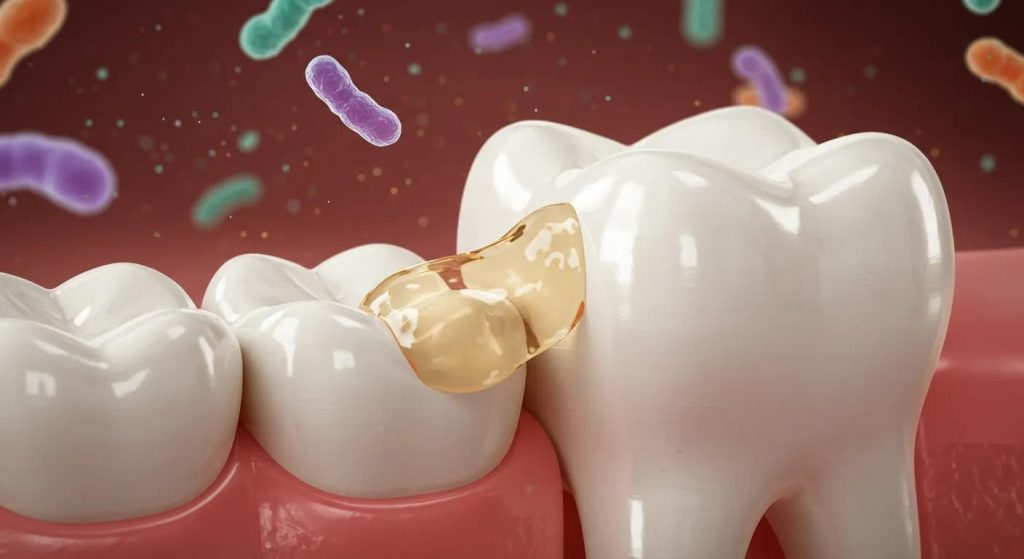

Tooth decay is one of the most common dental problems affecting people of all ages. It occurs when acids produced by bacteria in the mouth erode the tooth enamel, leading to cavities and other complications. Preventing tooth decay is essential for maintaining good oral health. In this article, we will discuss the most effective ways to prevent tooth decay and keep your teeth healthy.
Understanding Tooth Decay
Tooth decay begins when plaque, a sticky film of bacteria, builds up on teeth. When sugars and starches from food interact with this bacteria, acids are produced that attack the tooth enamel. Over time, these acids can create holes in the enamel, forming cavities. Without proper care, tooth decay can progress to deeper layers of the tooth, causing pain, infection, and even tooth loss.
Brush Your Teeth Properly
Brushing your teeth at least twice a day is the most basic and effective way to prevent tooth decay. Use fluoride toothpaste and a soft-bristled toothbrush to clean all surfaces of your teeth. Proper brushing removes plaque, food particles, and bacteria that contribute to decay. Remember to brush for at least two minutes each time.
Floss Daily
Flossing is crucial because it removes plaque and food particles from areas that a toothbrush cannot reach, such as between teeth and under the gumline. Regular flossing prevents cavities and gum disease, ensuring comprehensive oral hygiene.
Limit Sugary and Acidic Foods
Consuming excessive sugar and acidic foods increases the risk of tooth decay. Bacteria in the mouth feed on sugar, producing acids that erode tooth enamel. Limiting sugary snacks, candies, sodas, and acidic drinks like citrus juices helps protect your teeth from decay.
Drink Plenty of Water
Drinking water throughout the day helps wash away food particles and bacteria. It also maintains saliva production, which neutralizes acids in the mouth and strengthens enamel. Drinking fluoridated water provides additional protection against cavities.
Use Mouthwash
Antibacterial mouthwashes help reduce the number of bacteria in your mouth, minimizing the risk of tooth decay. Fluoride mouth rinses can also strengthen enamel and prevent cavities. Using mouthwash as part of your daily oral hygiene routine adds an extra layer of protection.
Regular Dental Check-Ups
Routine visits to the dentist allow for early detection of tooth decay and professional cleaning to remove plaque and tartar. Dentists can also provide preventive treatments like fluoride applications or dental sealants, which protect teeth from cavities, especially in children.

Maintain a Balanced Diet
A diet rich in vitamins and minerals supports overall oral health. Foods high in calcium, such as milk, cheese, and yogurt, strengthen teeth. Crunchy fruits and vegetables stimulate saliva production and help clean teeth naturally. Avoid frequent snacking on sugary or starchy foods to reduce acid attacks on enamel.
Educate Children Early
Teaching children proper brushing, flossing, and healthy eating habits early on can prevent tooth decay from a young age. Regular dental check-ups and protective treatments like sealants can ensure a cavity-free childhood and set the foundation for lifelong oral health.
Conclusion
Preventing tooth decay requires a combination of good oral hygiene, healthy dietary choices, and regular dental visits. Brushing and flossing daily, limiting sugary and acidic foods, drinking water, using mouthwash, and maintaining a balanced diet are all essential steps. By adopting these practices and seeking professional dental care, individuals can maintain strong, healthy teeth and avoid the pain and complications associated with tooth decay.